Encounter - The Future of Museums

THE CHALLENGE
How might the Carnegie Museum of Natural History provide relevant and engaging experiences to its visitors?
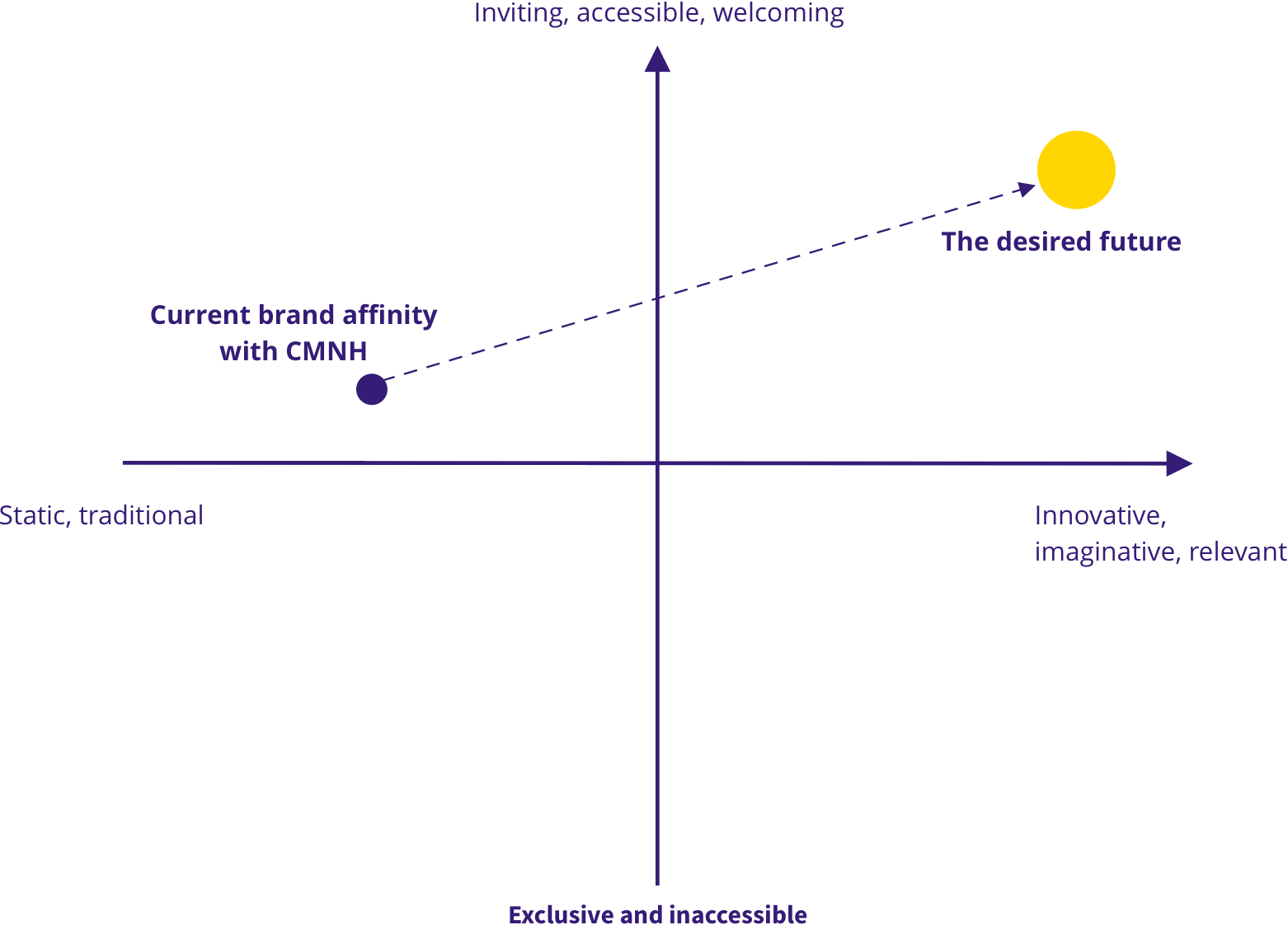
The Carnegie Museum of Natural History has the vision to be the world's most relevant natural history museum. To achieve this vision, a shift in the museum's personality and brand image is necessary. Museums have always been a source of knowledge and information. But with the changing times, in order to stay relevant, there is a pressing need for museums to engage their visitors in creative ways and be much more than information providers.
DETAILS
Interaction Design Studio at Carnegie Mellon University
Duration: 6 weeks
MY ROLE
Exploratory research, conceptualization, Defining user journey, UI and UX design of final outcome, video production, project management
TOOLS
Aftereffects, Premier Pro, Photoshop, Illustrator, Sketch, Cinema 4D, Spark AR, Reality Composer
TEAM
Bhakti Shah, Deepika Dixit, Jisoo Shon, Michelle Chou, Anuprita Ranade
THE OUTCOME

Encounter is an immersive experience that serves as a portal to the wildlife habitats through engaging storytelling and interactive games
THE CONCEPT
01 - Immerse
Visitors can immerse in the wildlife habitats of the animals, hear the sounds of the habitat and understand the scene being depicted.

02 - Explore
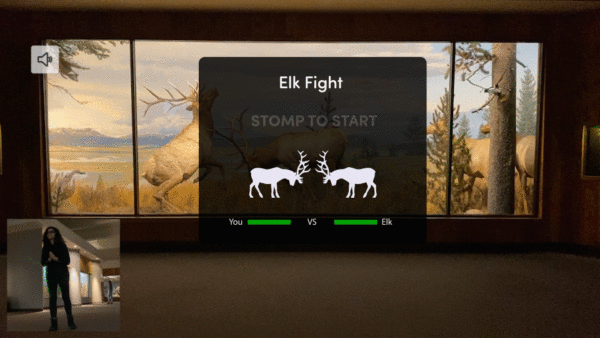
Explore each diorama by knowing about the unique qualities of animals through interactive games
03 - Learn Through Games
Play interactive games to learn how the bodies of these animals are designed to survive in their habitats
04 - Create
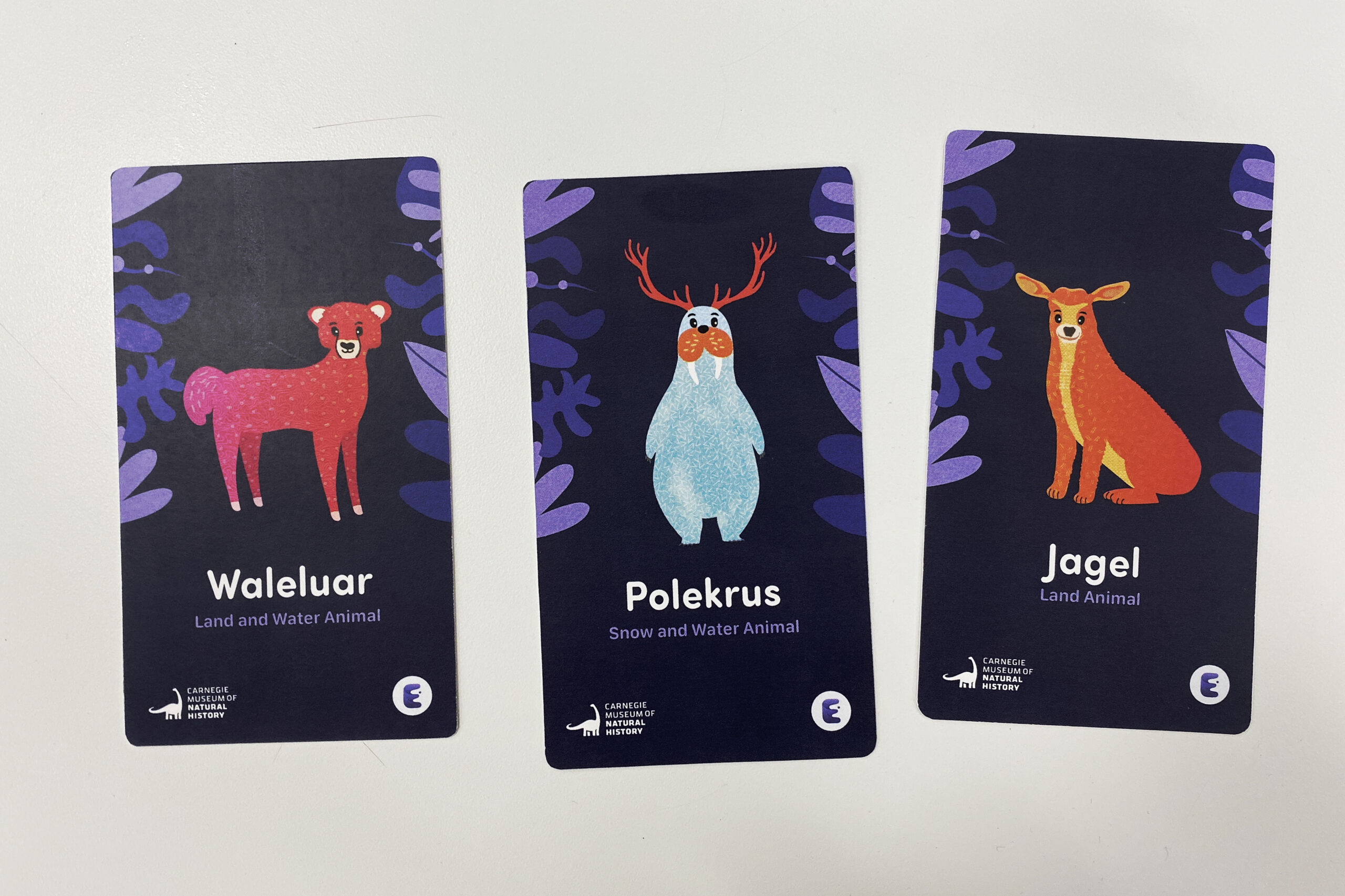
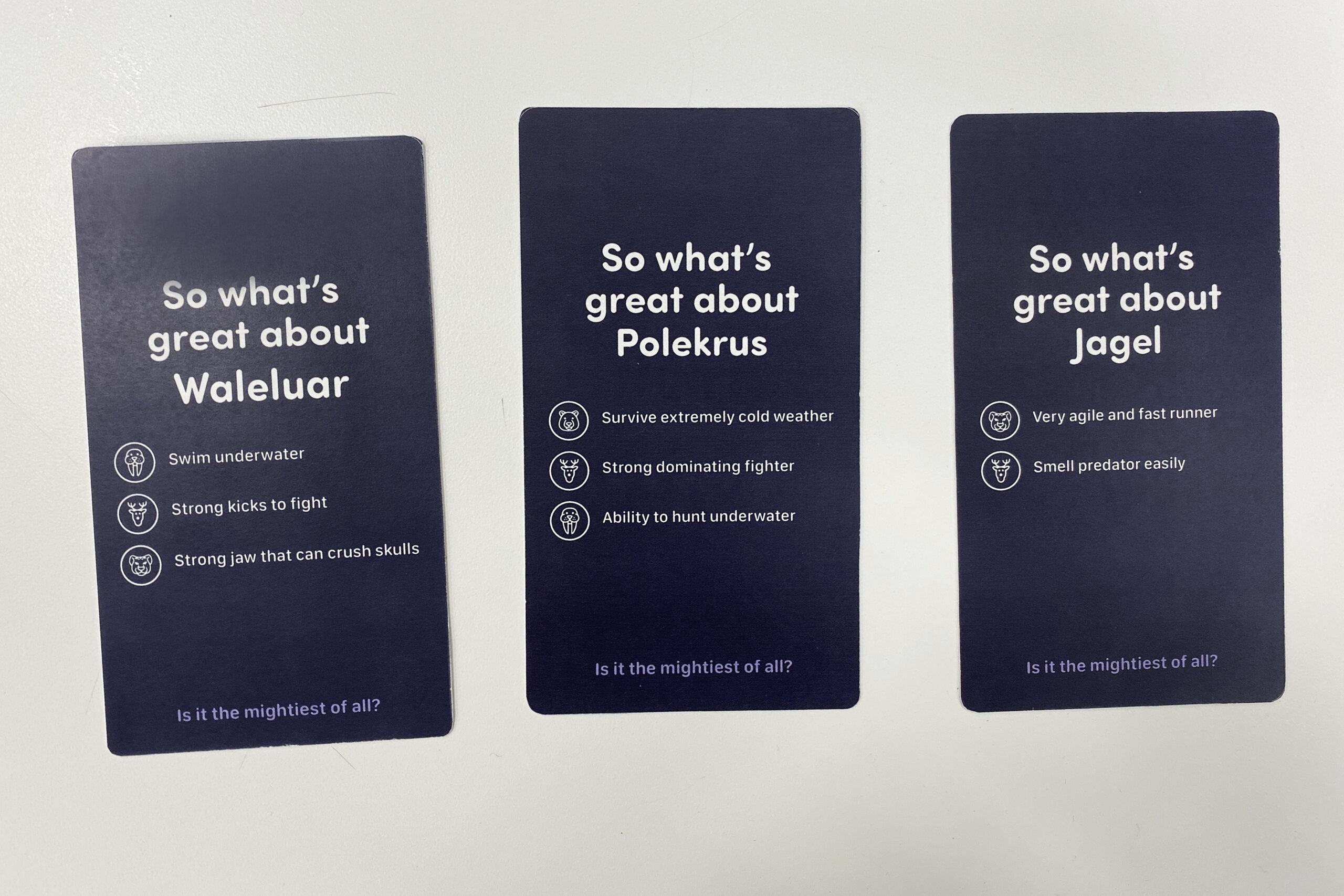
Use your imagination by mixing the unique qualities of different animals to create a new imaginary animal.
05 - Interact
Interact with the imaginary animal you created
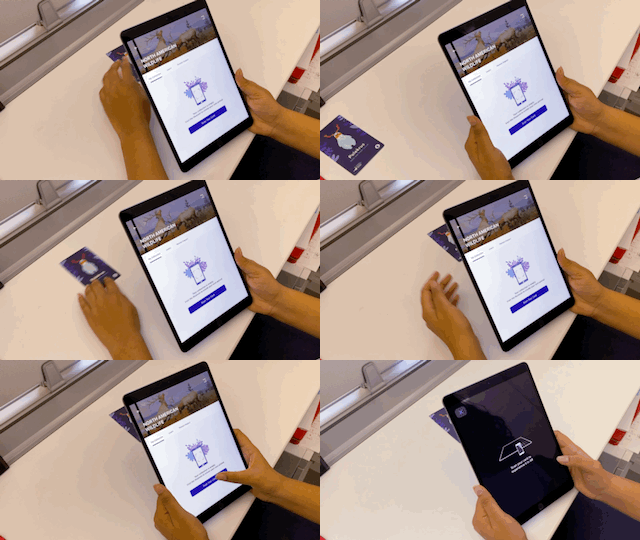
06 - Take a souvenir home
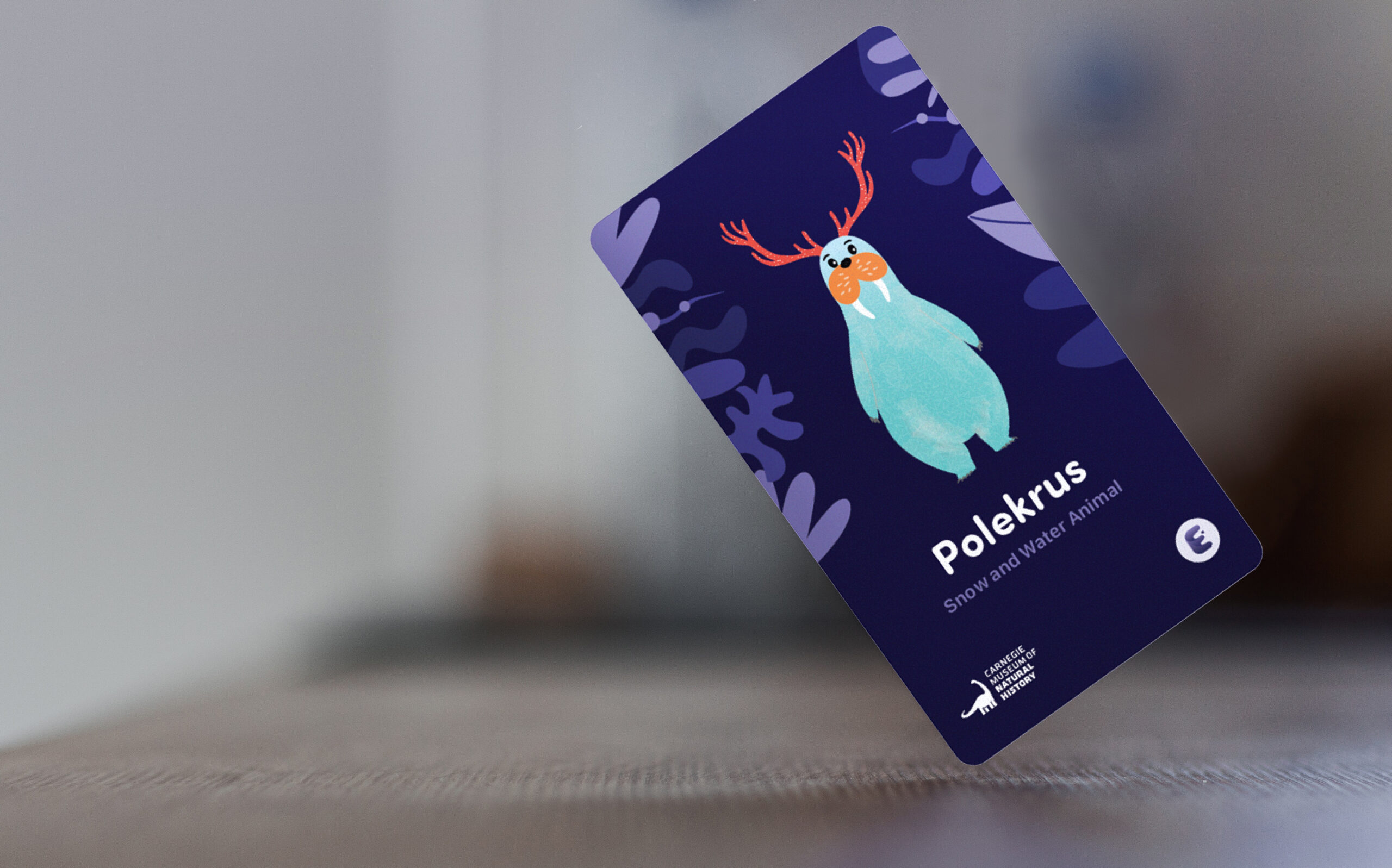
Take home a card of your imaginary animal and re-engage with it using the mobile application
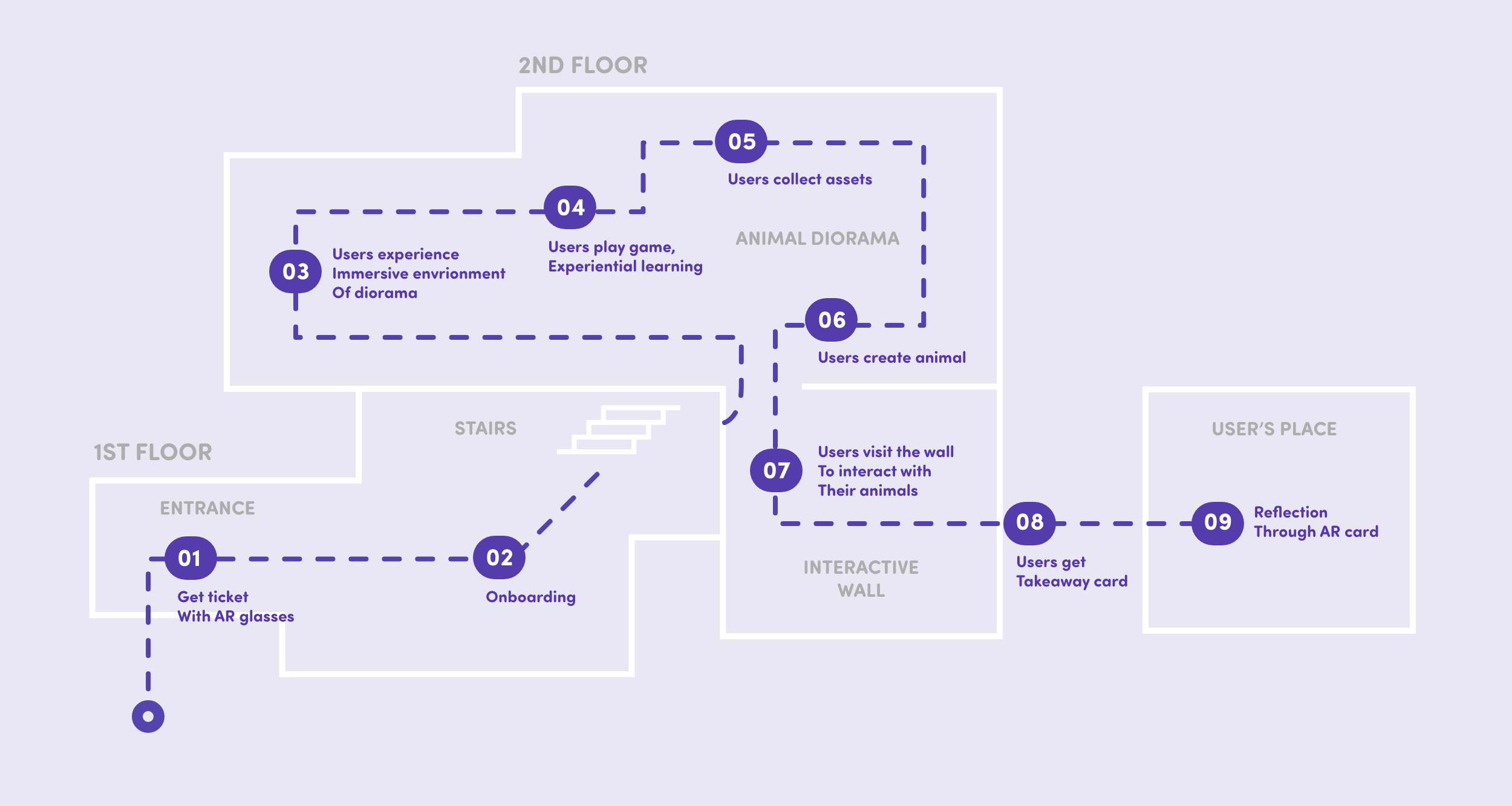
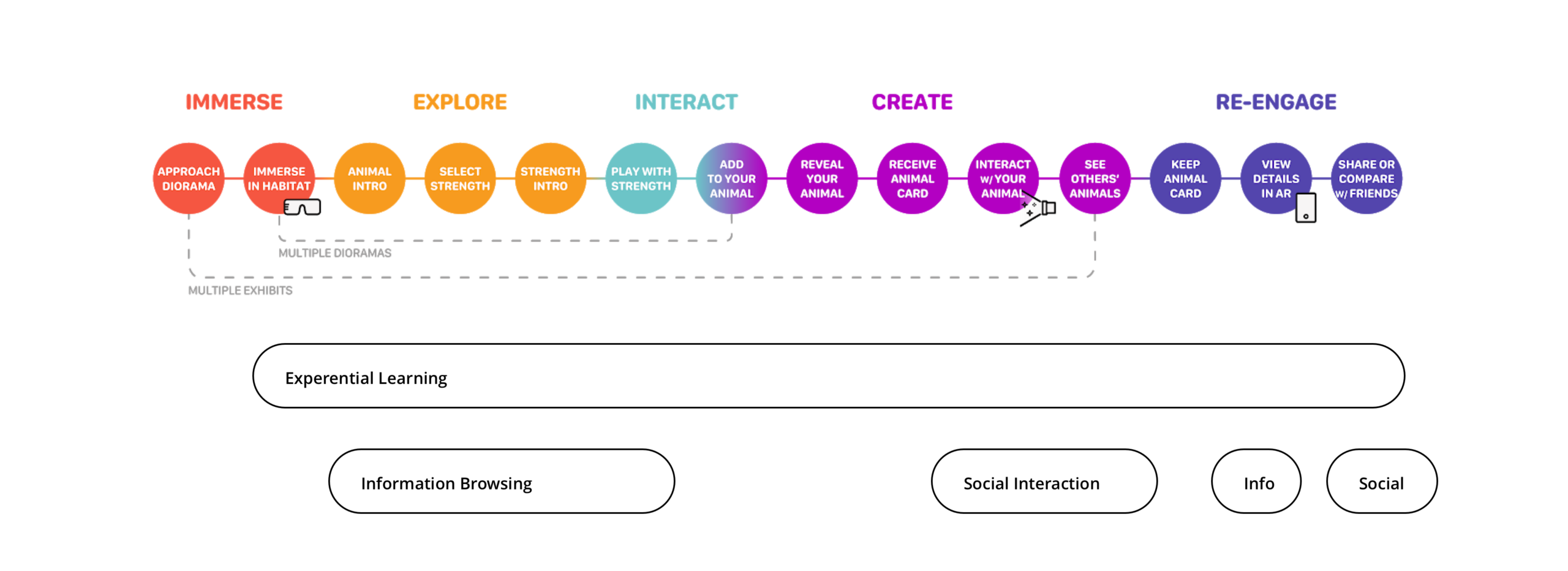
USER JOURNEY
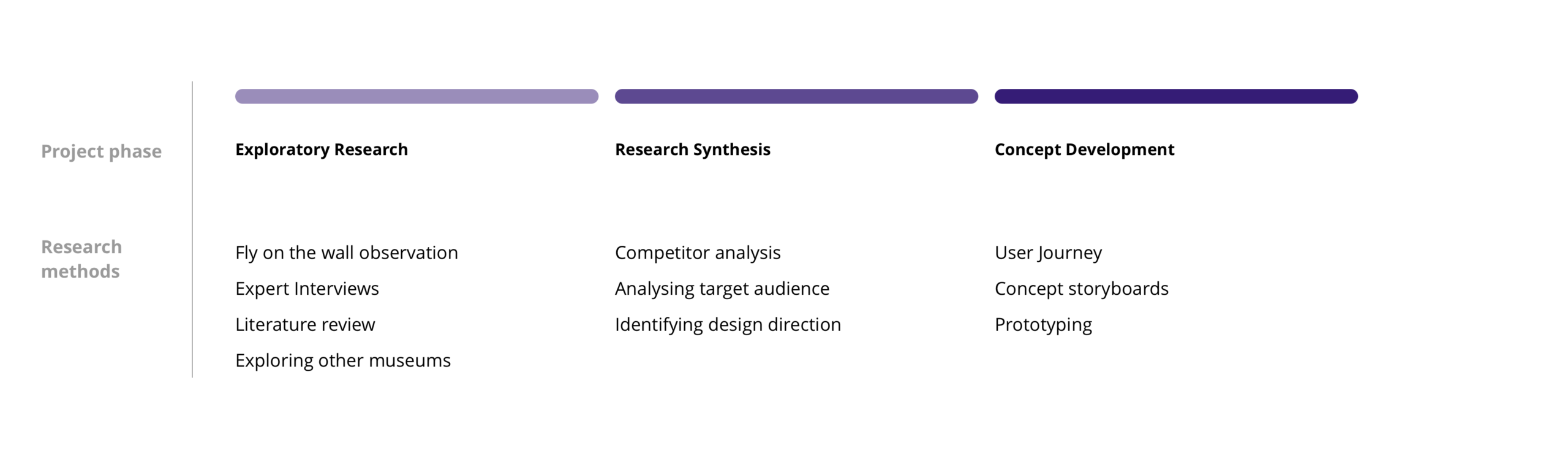
DESIGN PROCESS
EXPLORATORY RESEARCH
Fly on the wall observation
We spent a lot of time at the museum observing different types of visitors, how they interacted with the exhibits and navigated the museum space.
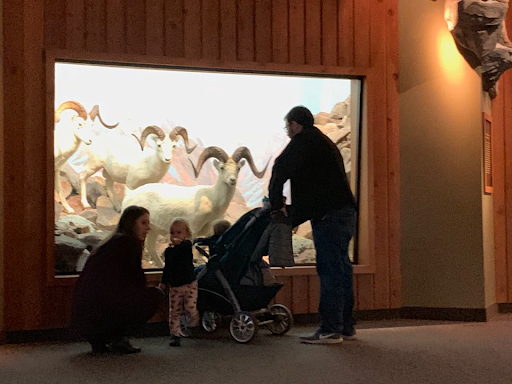
Visitors were mostly in groups of 3 or 4: Parents/Grandparents with their children/grandchildren.
Activities mostly involved adults explaining the exhibits to their children.
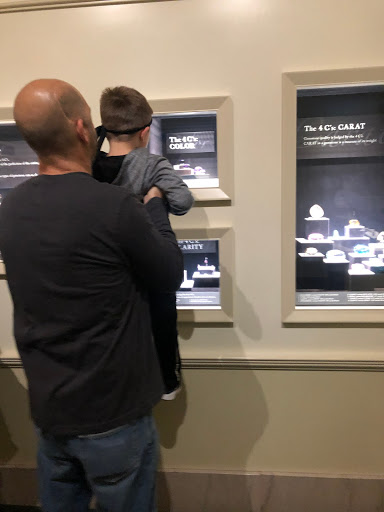
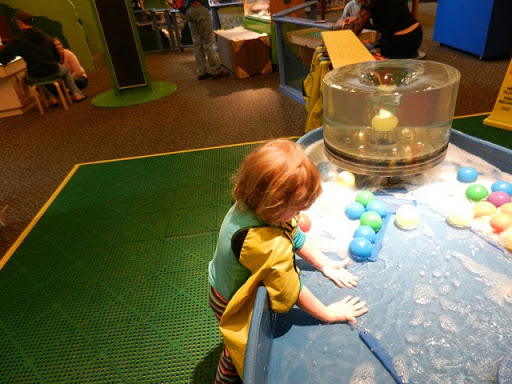
Kids were mostly fascinated by the colors and textures and were interested in touching everything and playing with the exhibits.
Expert Interviews
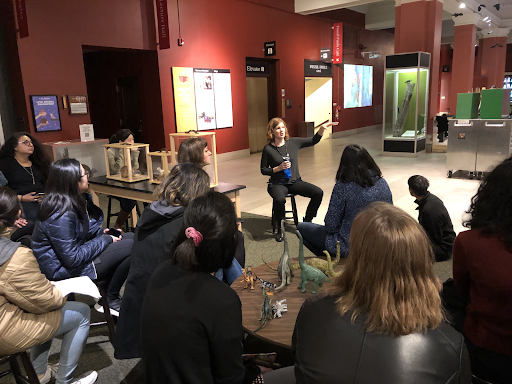
We spoke with Rebecca Shreckengast, Director of Exhibition Experience. She shared valuable insights about the role of museums, preferences of visitors, and the vision of the Carnegie Museum of Natural History.
Learnings:
1. Visitors want personalized and customized experiences
2. Visitors expect to have social experiences
3. Museums need to serve as places of inspiration to visitors
Exploring other museums
We visited the children's museum of Pittsburgh as it attracted a similar audience. We observed the nature of the exhibits and how visitors interacted with them..
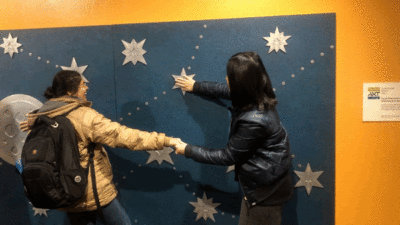
Social Experiences
Many exhibits focused on doing activities in pairs or groups
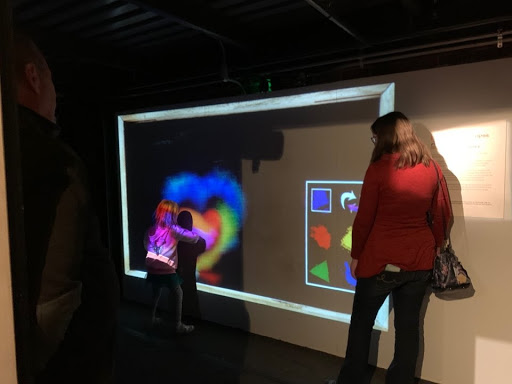
Immersive
The immersive nature of the exhibits engaged visitors for a longer time
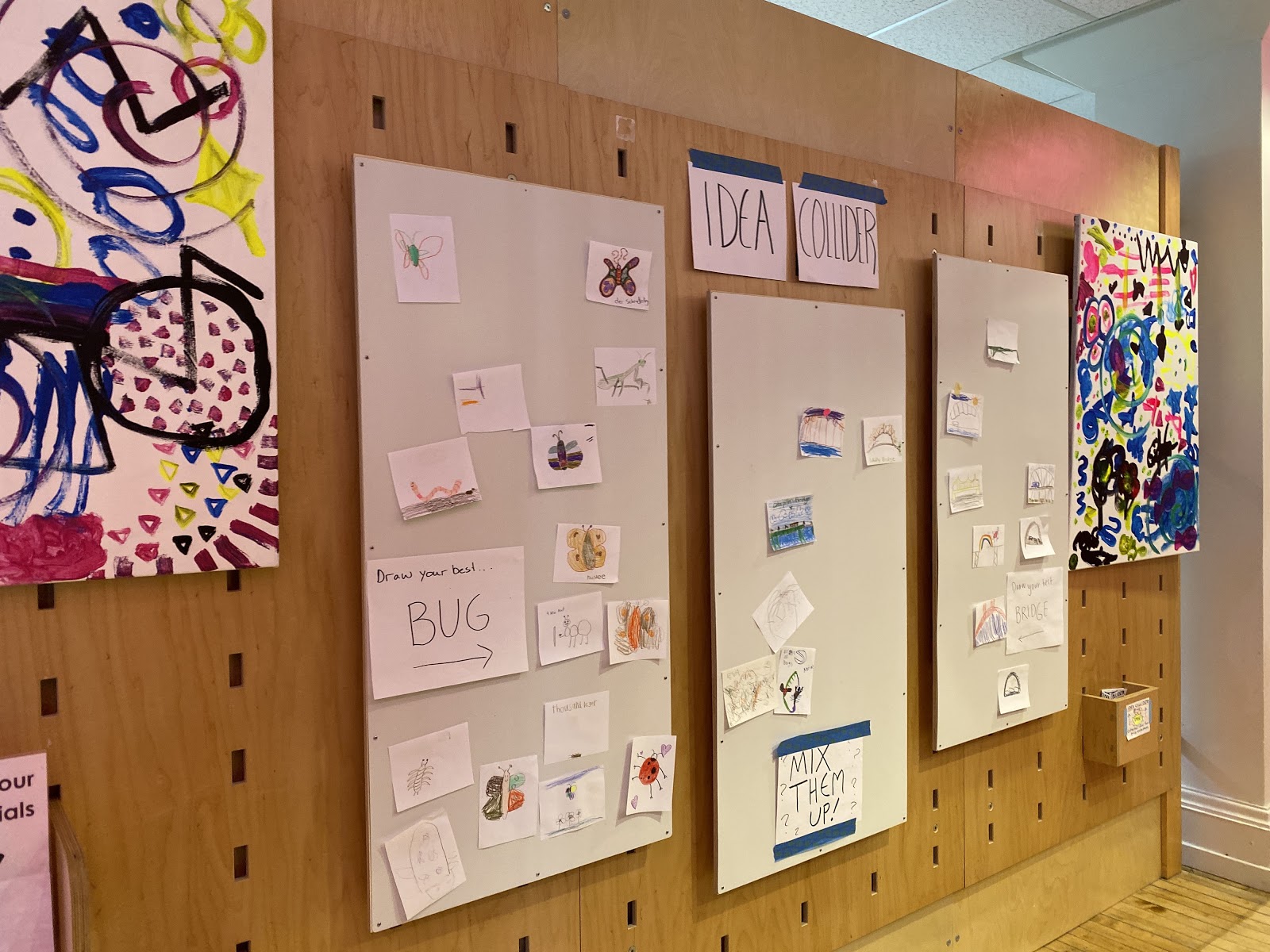
Imaginative
The museums has activities that encourage imaginative thinking
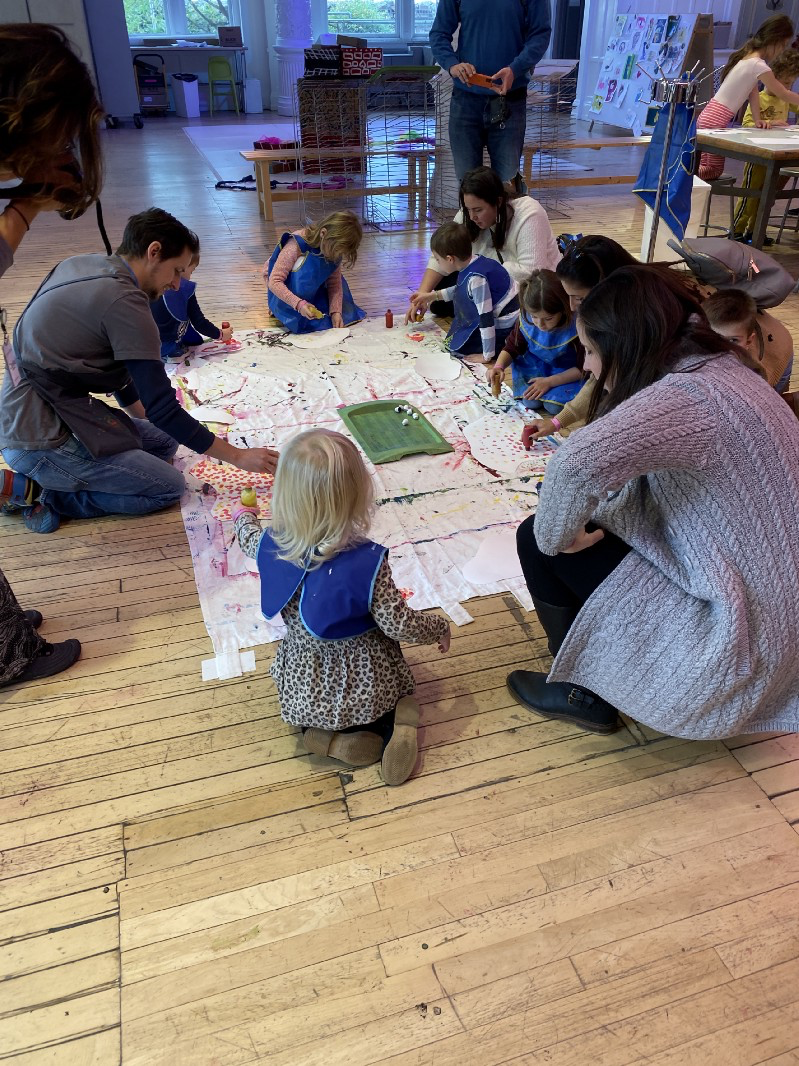
Co-Creative
Activities are participative and co-creative
RESEARCH SYNTHESIS
Types of visitors
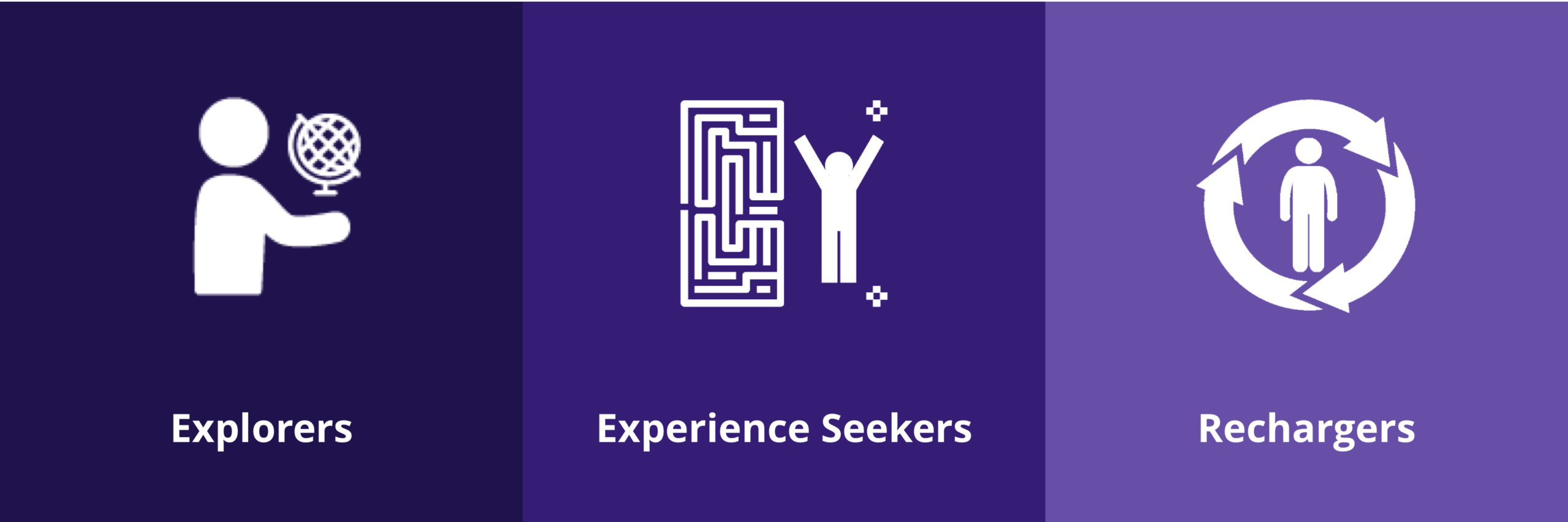
The spectrum of visitor engagement
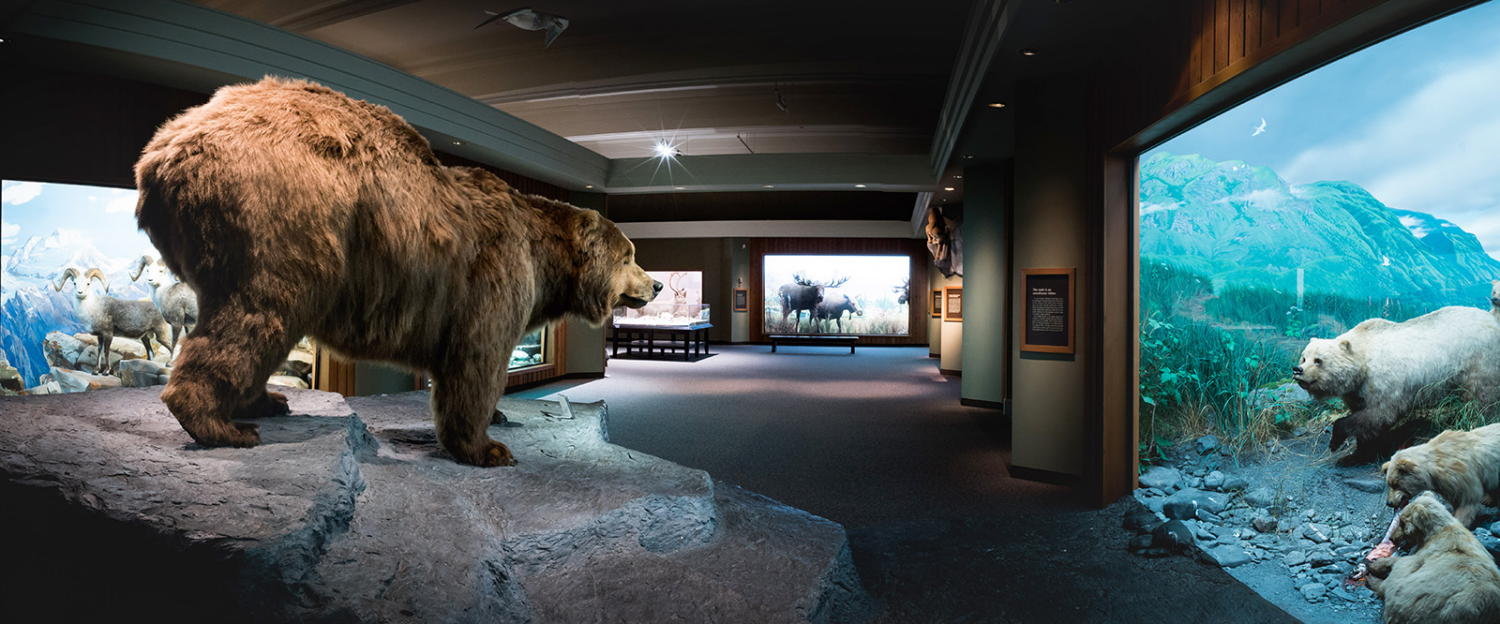
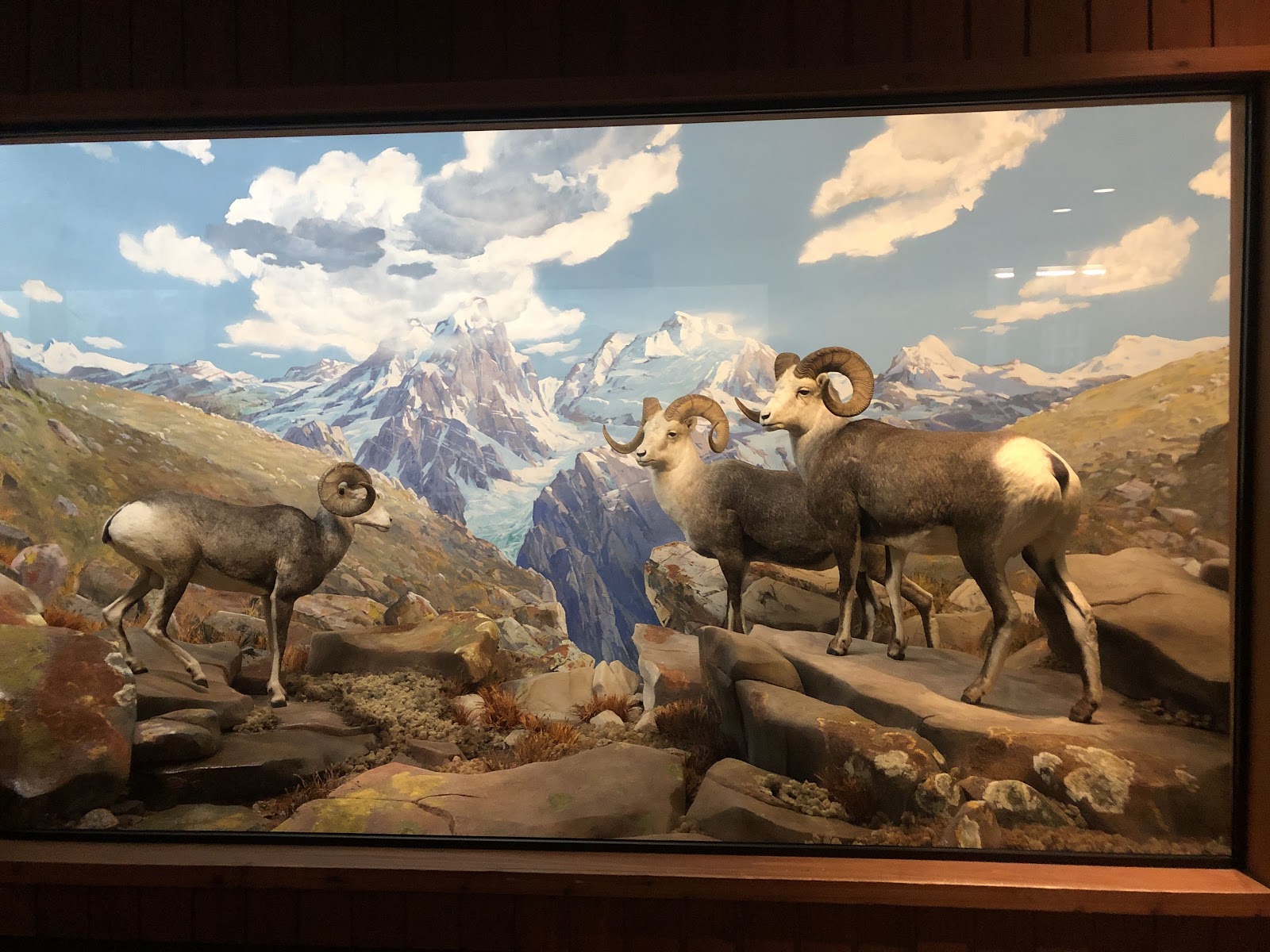
The dioramas: Opportunity for design intervention
In the past, dioramas were a medium for people to explore different cultures and natural habitats around the world. The advent of modern media and technology has given people new ways to explore the world, making dioramas obsolete
When we interviewed visitors, they described the dioramas as:
- Static & Quiet (Visitors just stroll by)
- It feels like a “Dead Zoo”
- A one-way, detached visual experience
- A huge shift in energy and experience in contrast to the dinosaur exhibits
Establishing a design direction
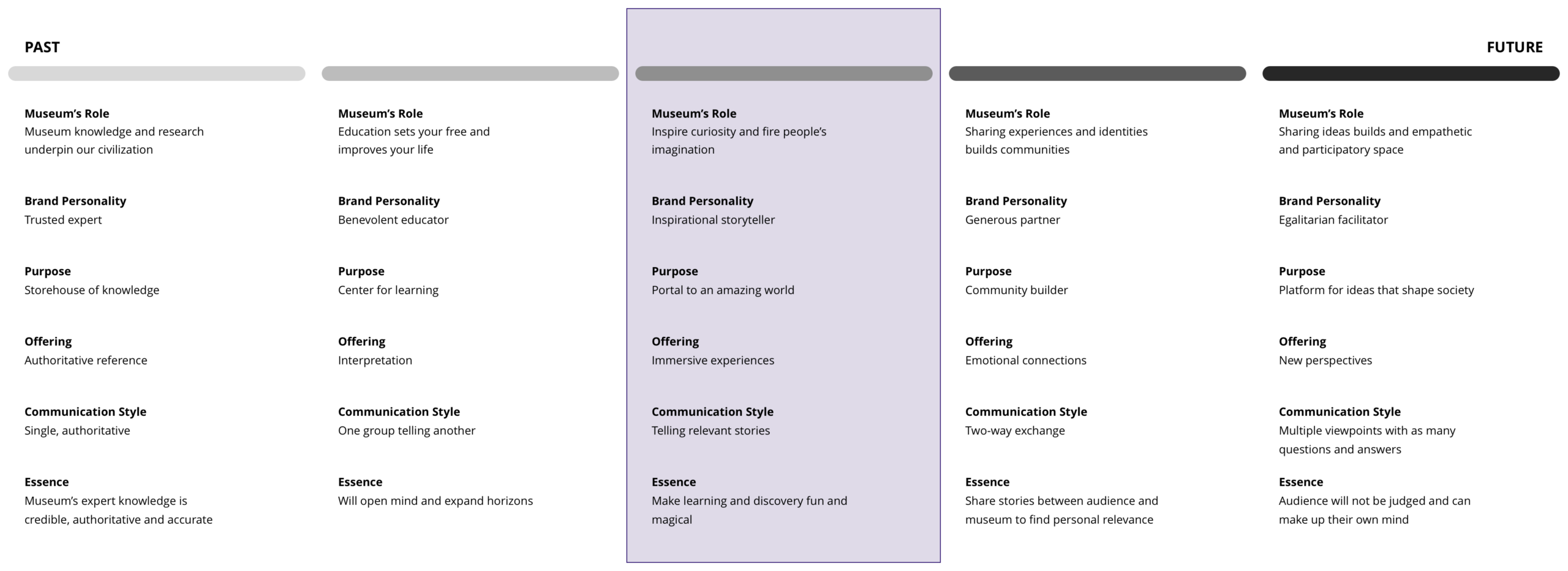
We compared the attributes of the Children's Museum and Carnegie Museum of Natural History to identify what we wanted our design direction to be

Exploring Ideas
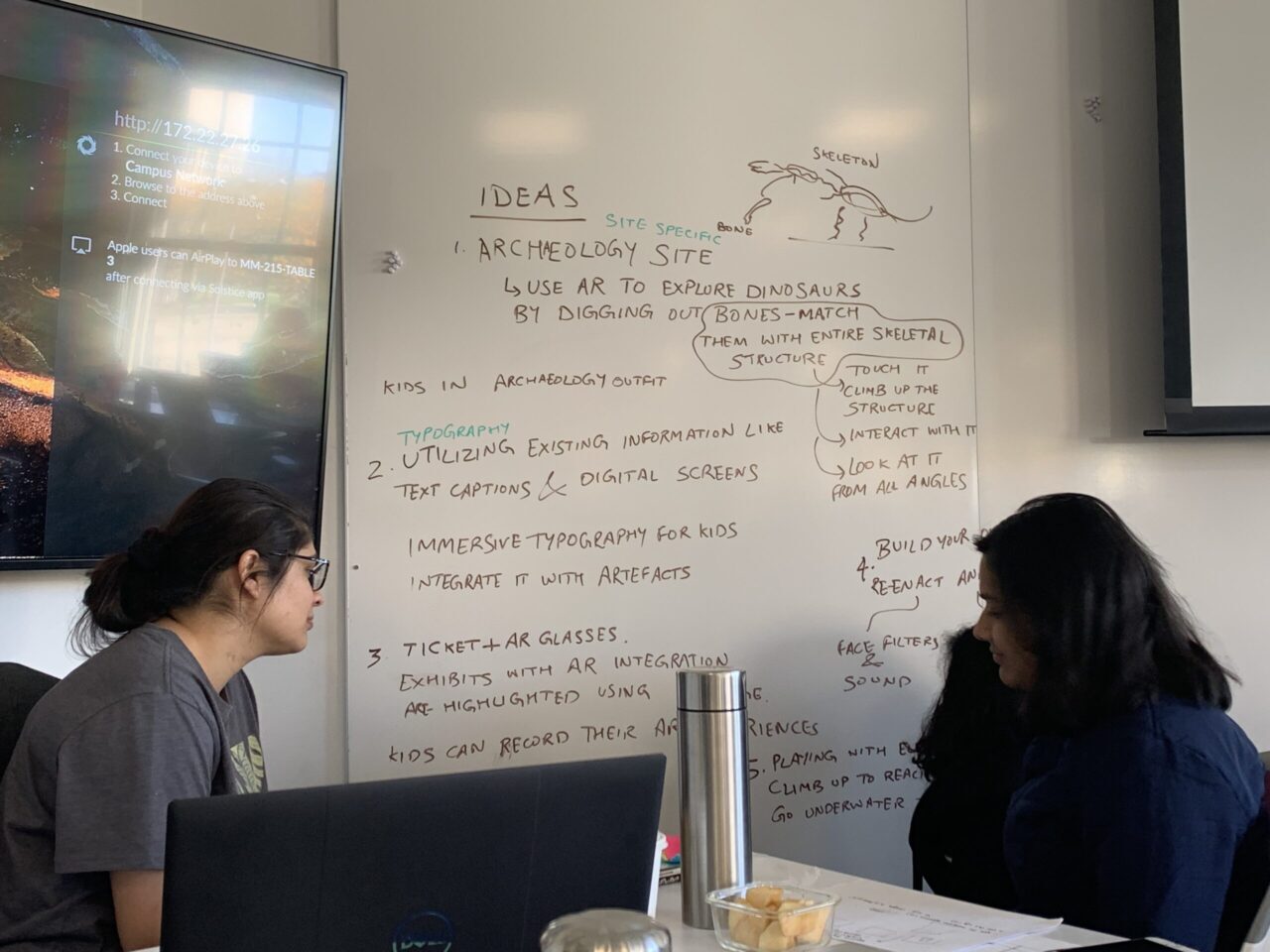
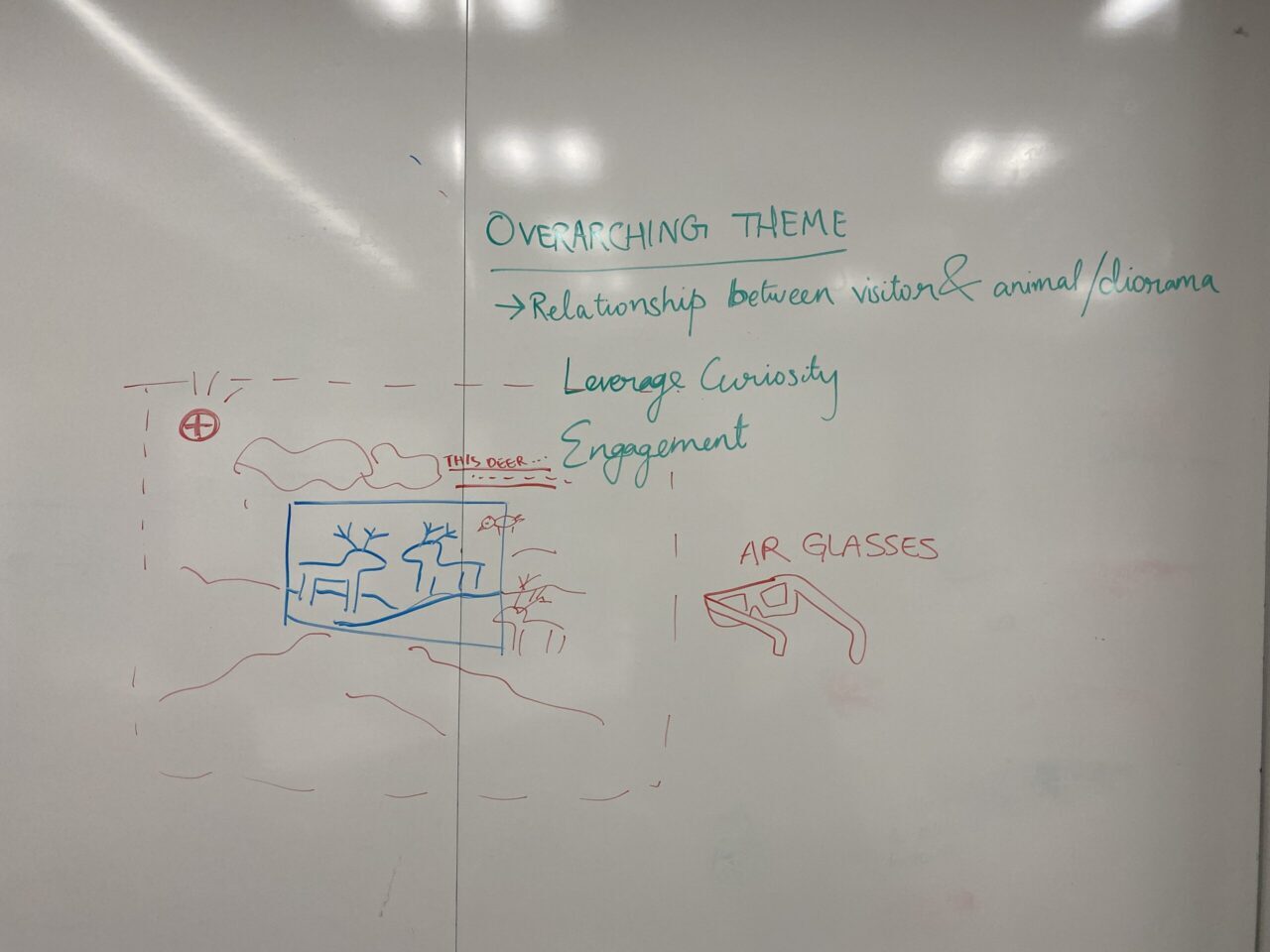

SELECTED DESIGN DIRECTION
A door to the wild
The dioramas are described by the museums as a window to the wild as we can see them from a distance inside their glass chambers.
Since we are augmenting the environment and making the user feel like they are entering the animal’s habitat, our concept is a “door to the wild”. This experience will act as a “portal to an amazing world”.
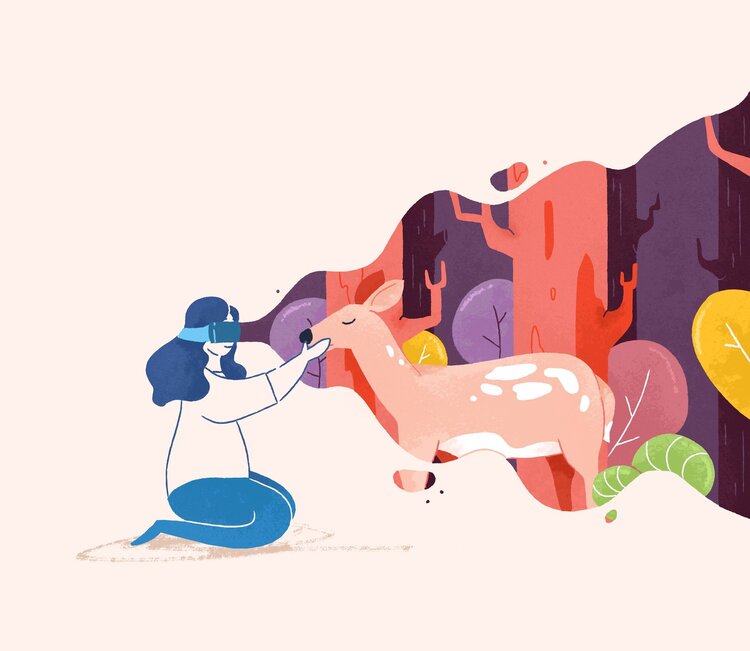
Illustration by Maryanne
CONCEPT DEVELOPMENT
Mapping the diorama space
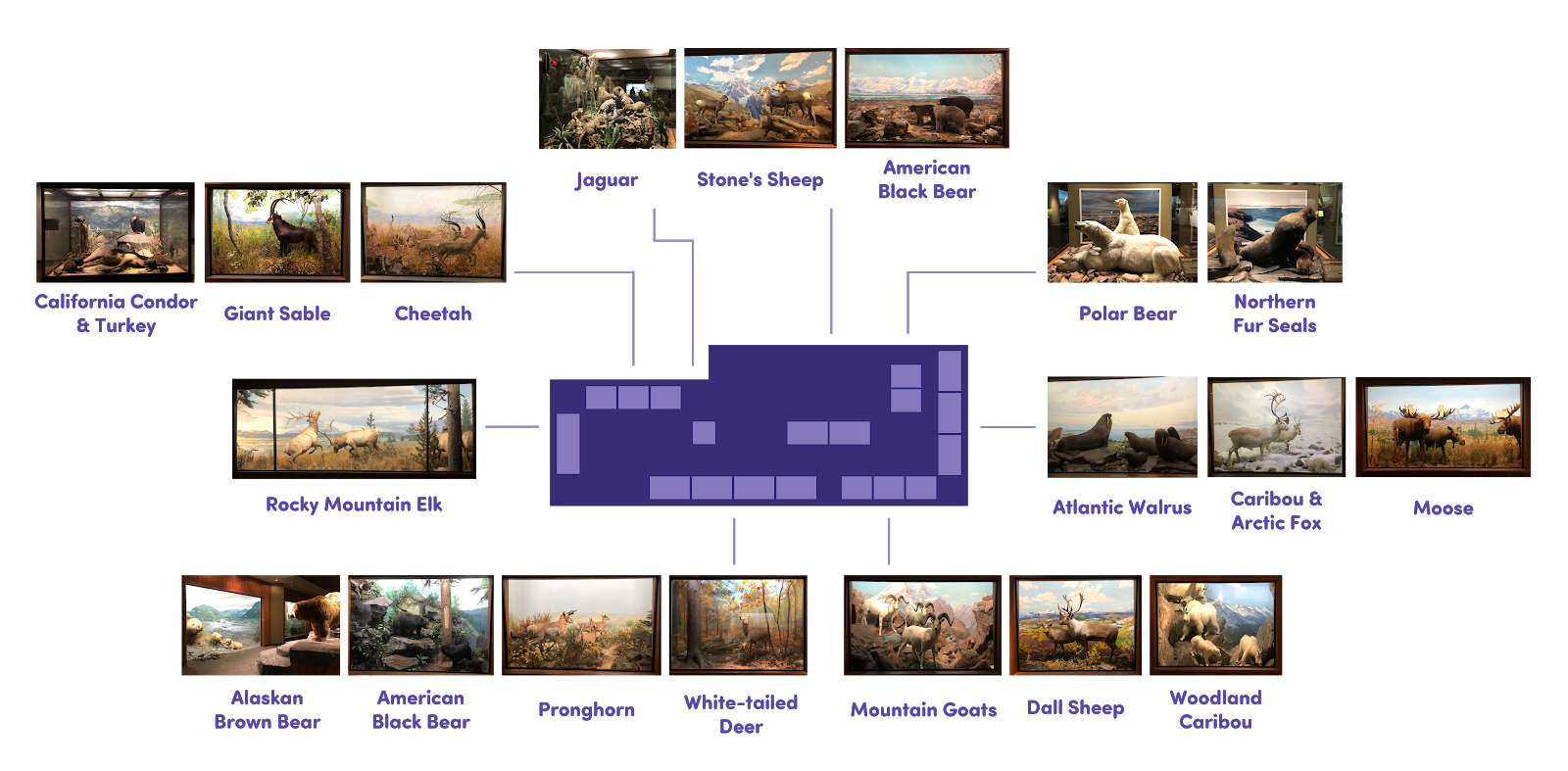
The user journey
Understanding features of animals and their habitats
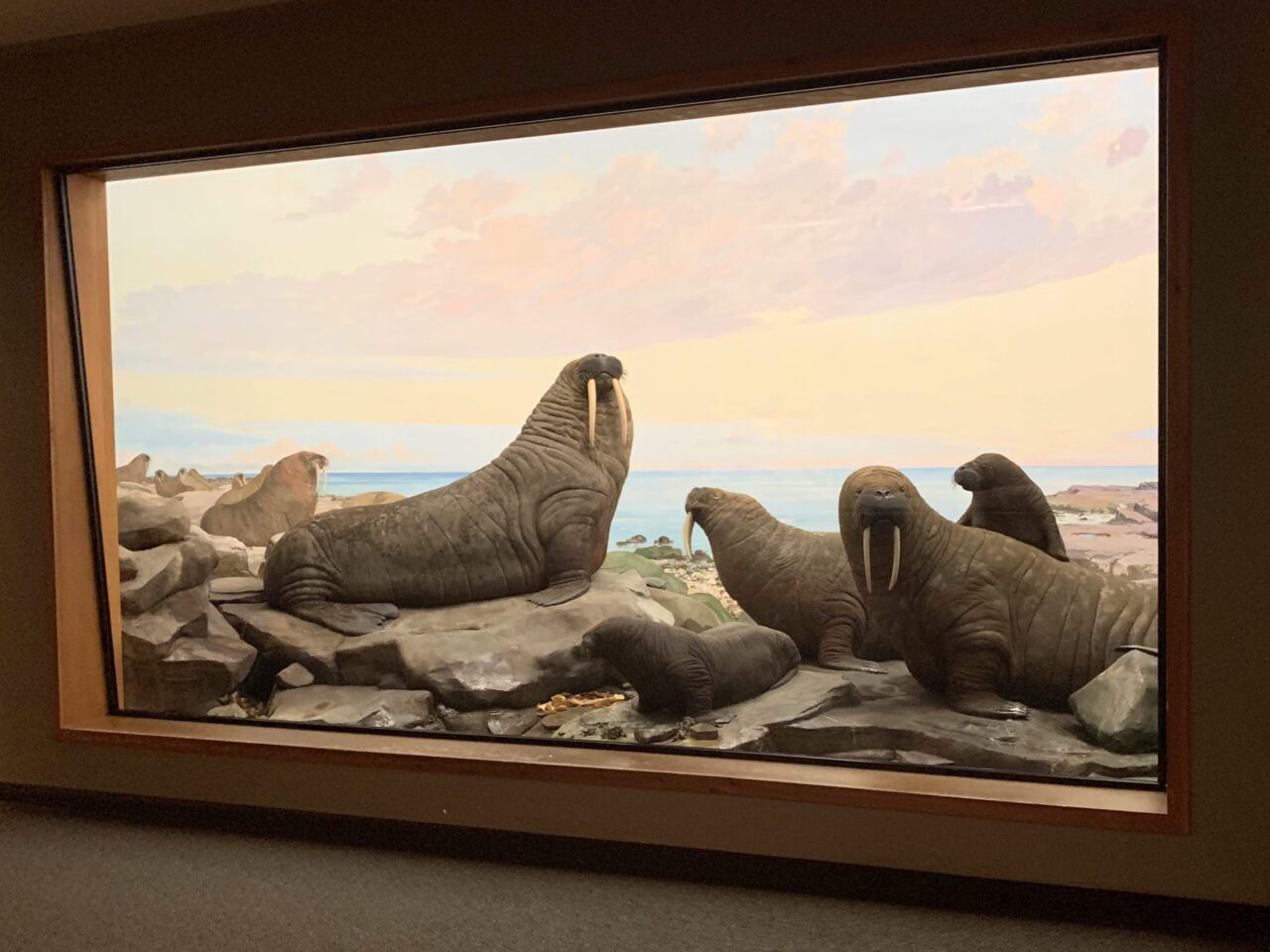
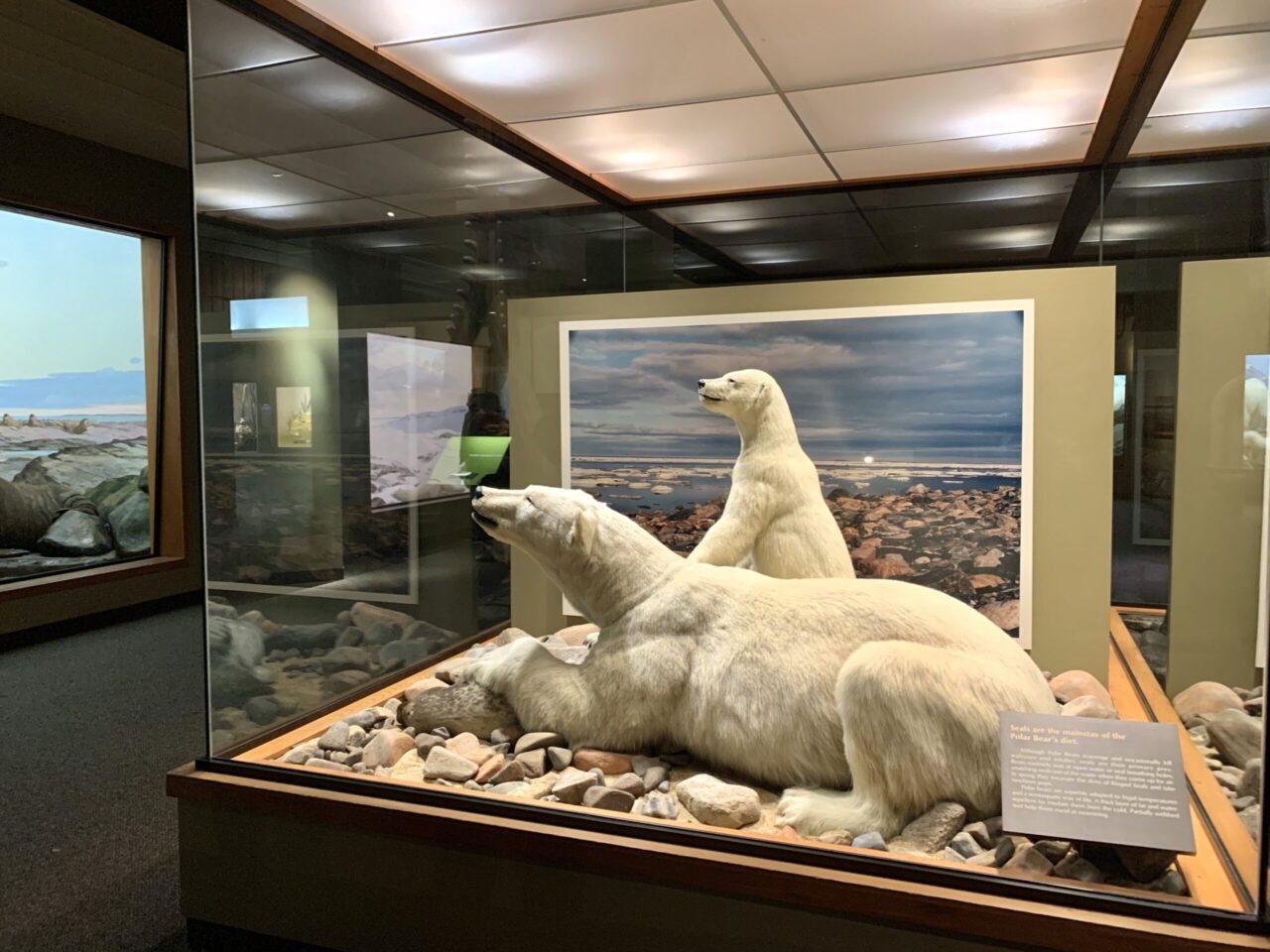
To design immersive experiences for the dioramas, we examined the details of each animal and its habitats including colors, textures, and sounds.
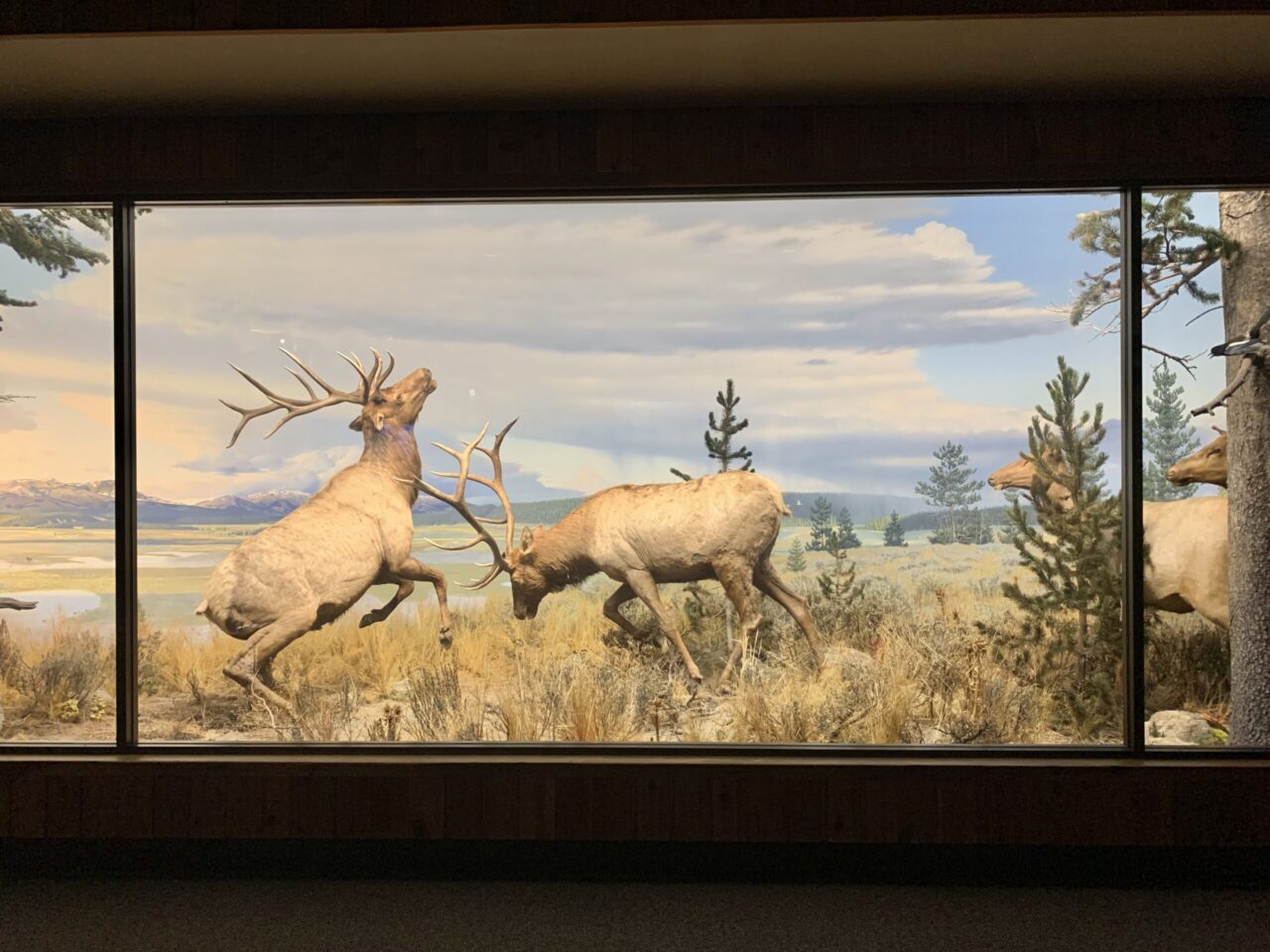
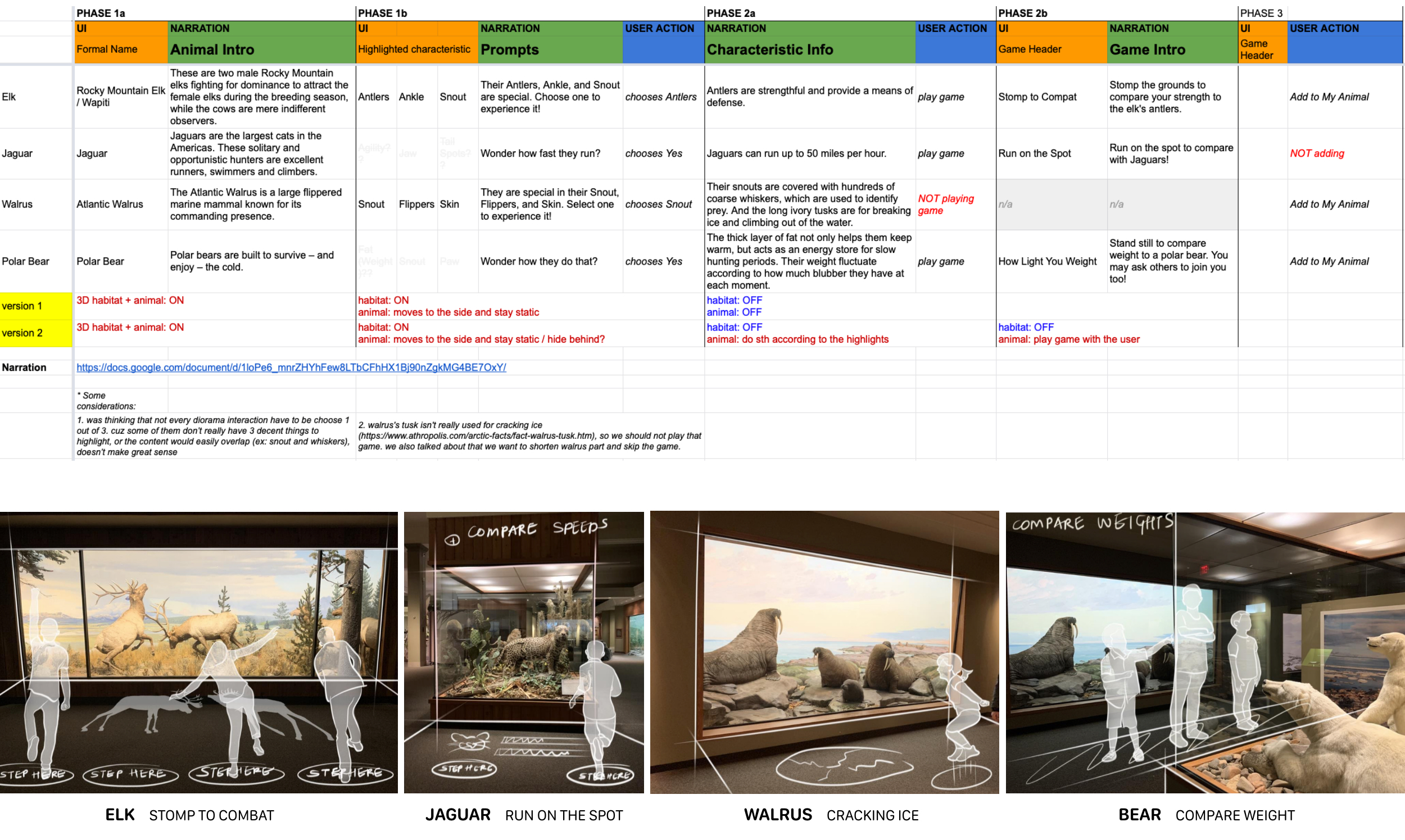
Defining interactive experiences for each diorama
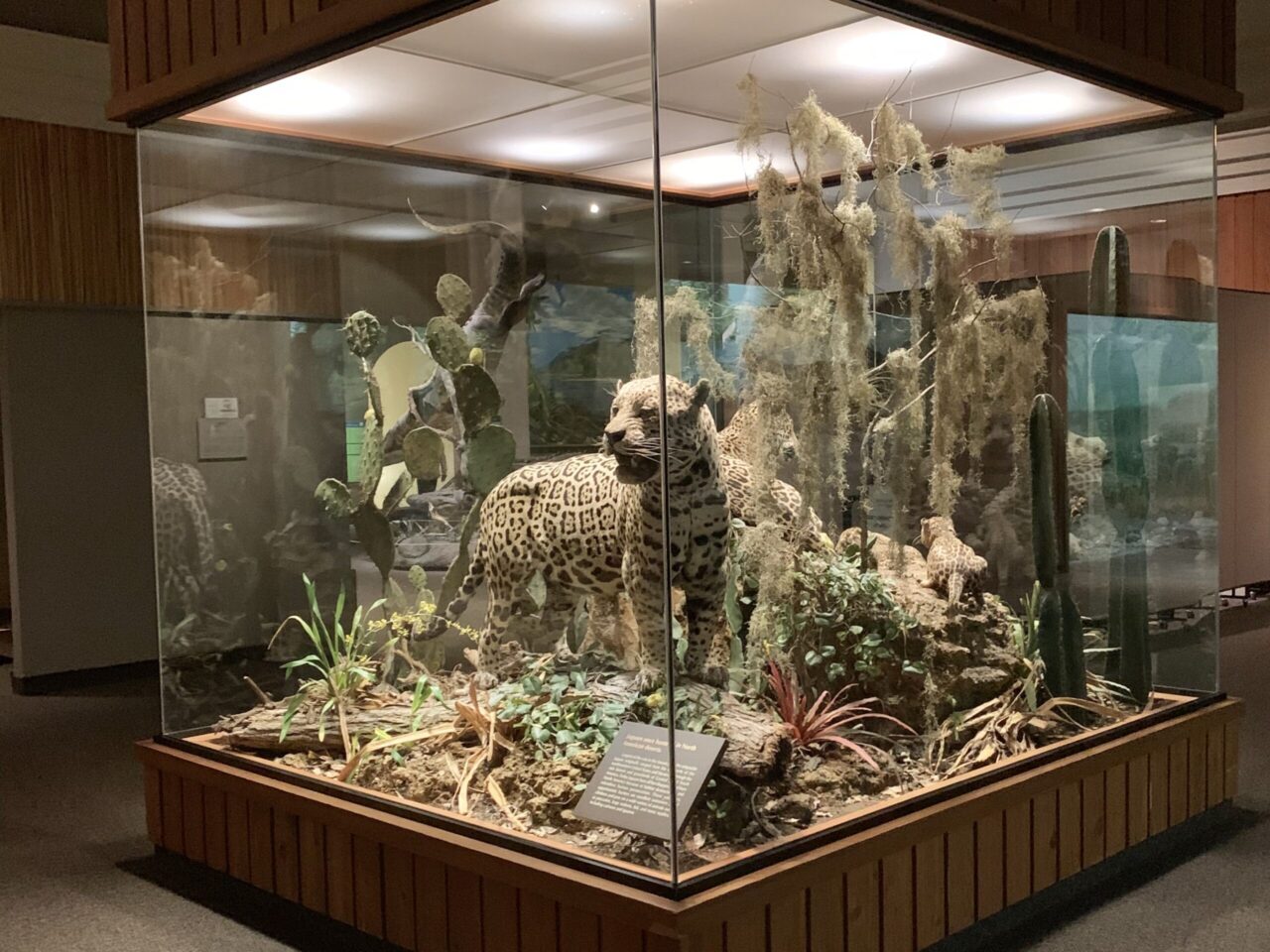
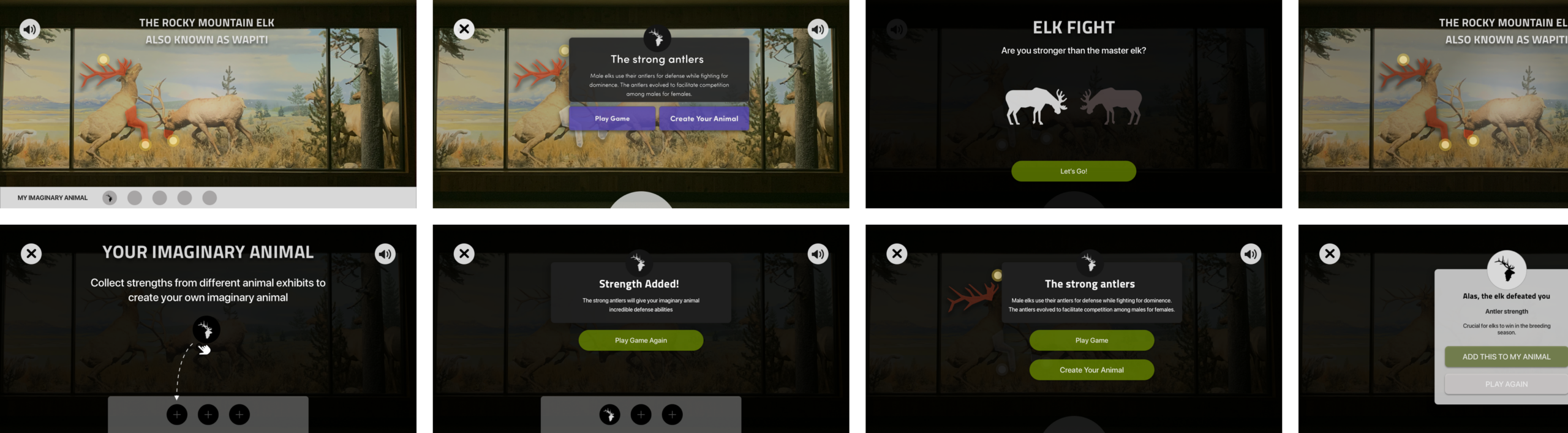
We brainstormed ideas based on the knowledge each diorama had to offer. For example, the Jaguar diorama had information about the animal's speed. We designed an interactive experience that allows visitors to compare their running speed with that of the jaguar's.
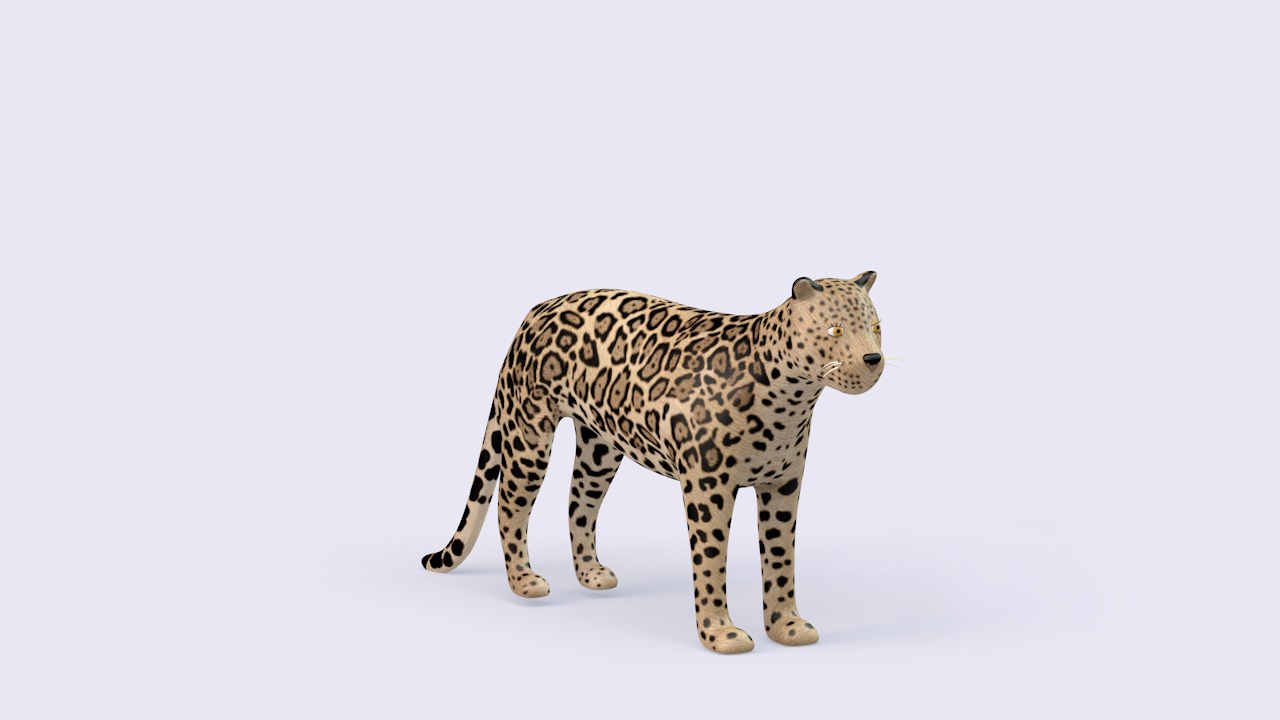
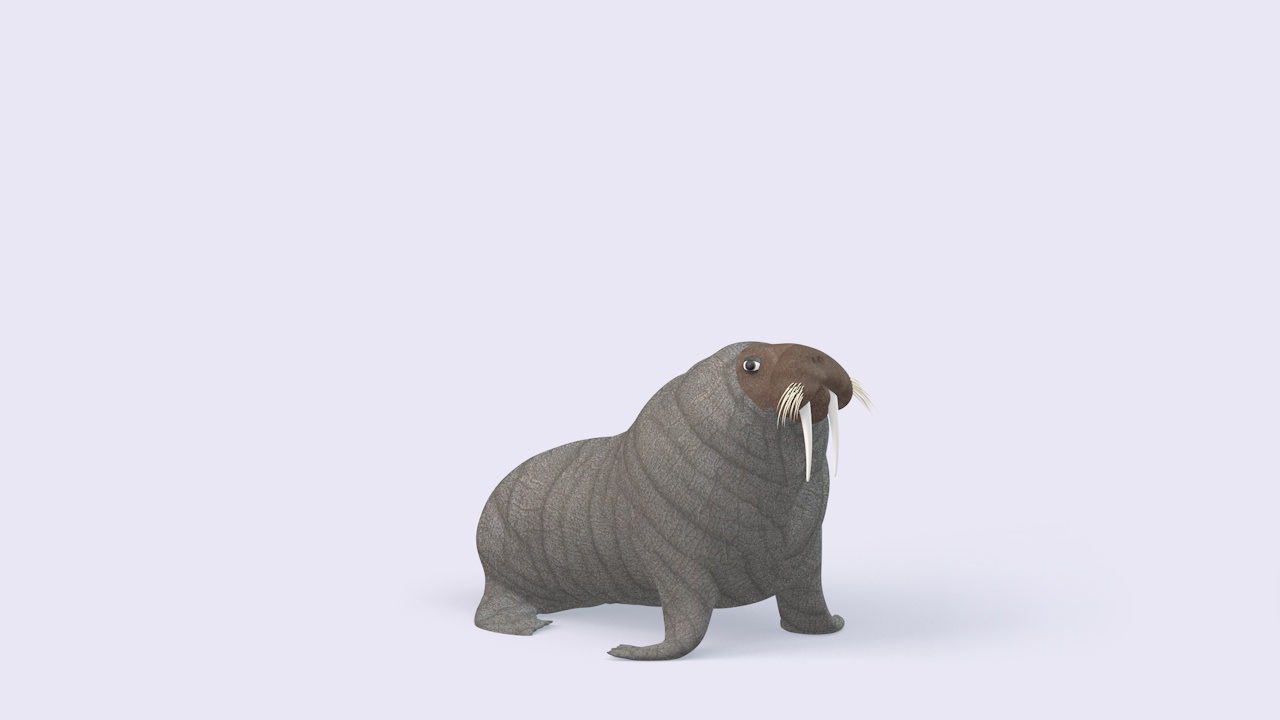
Creating the 3D animal and habitat mockups

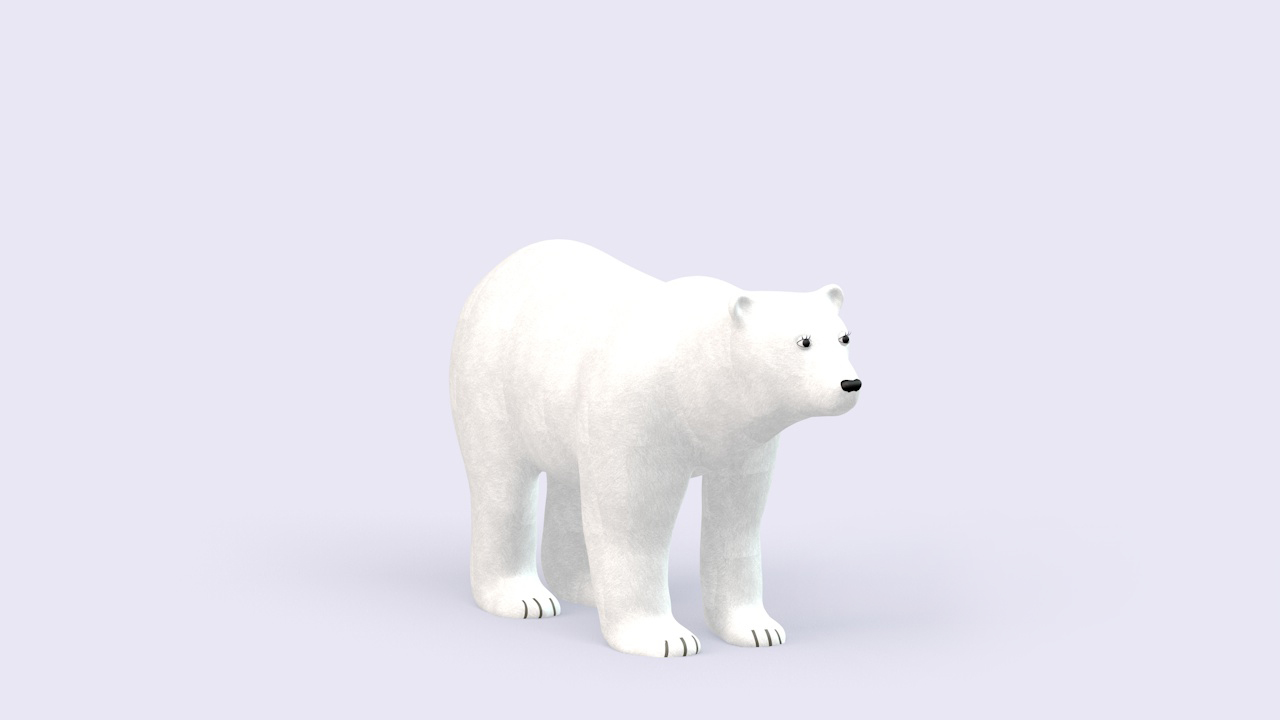
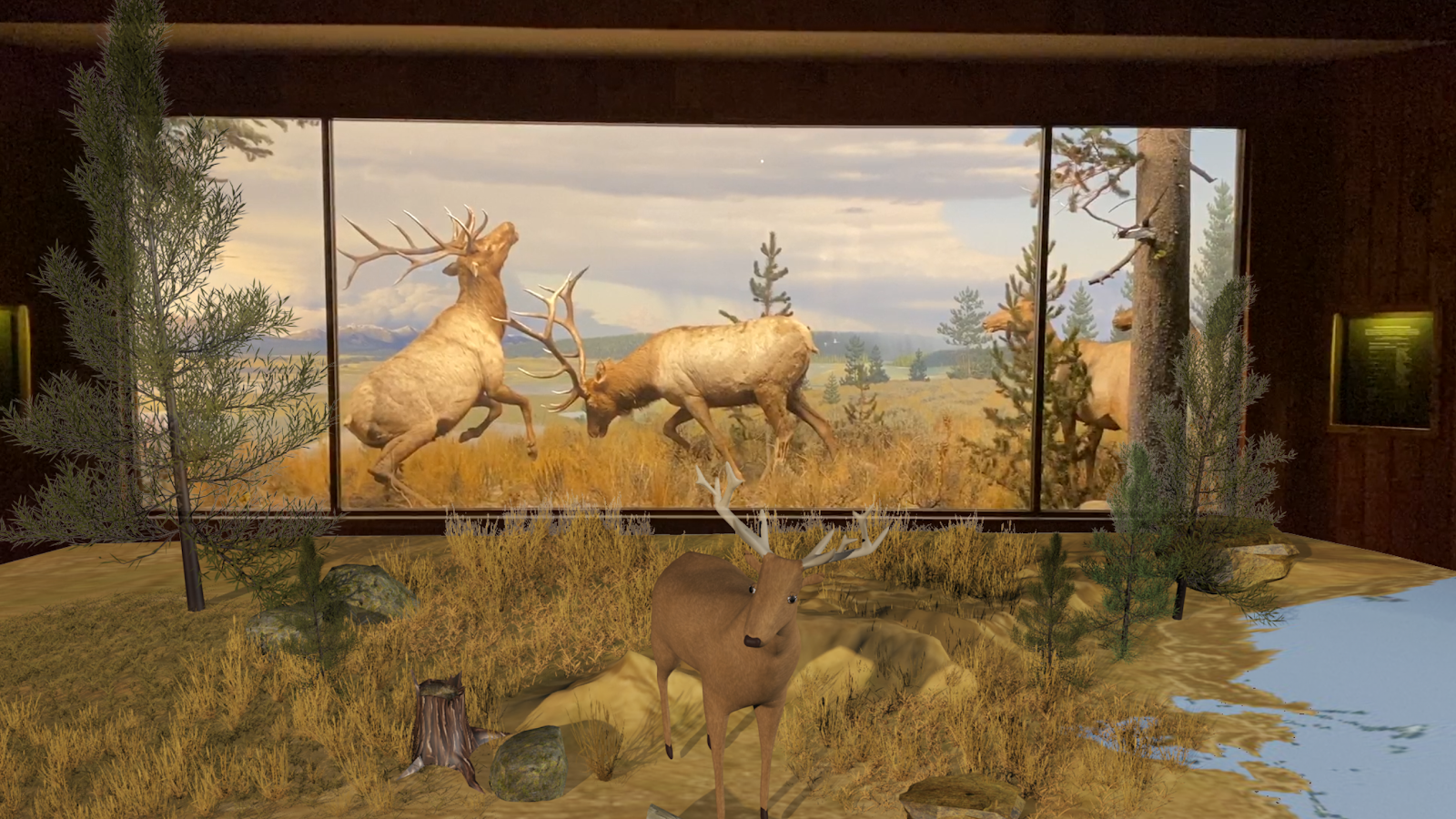

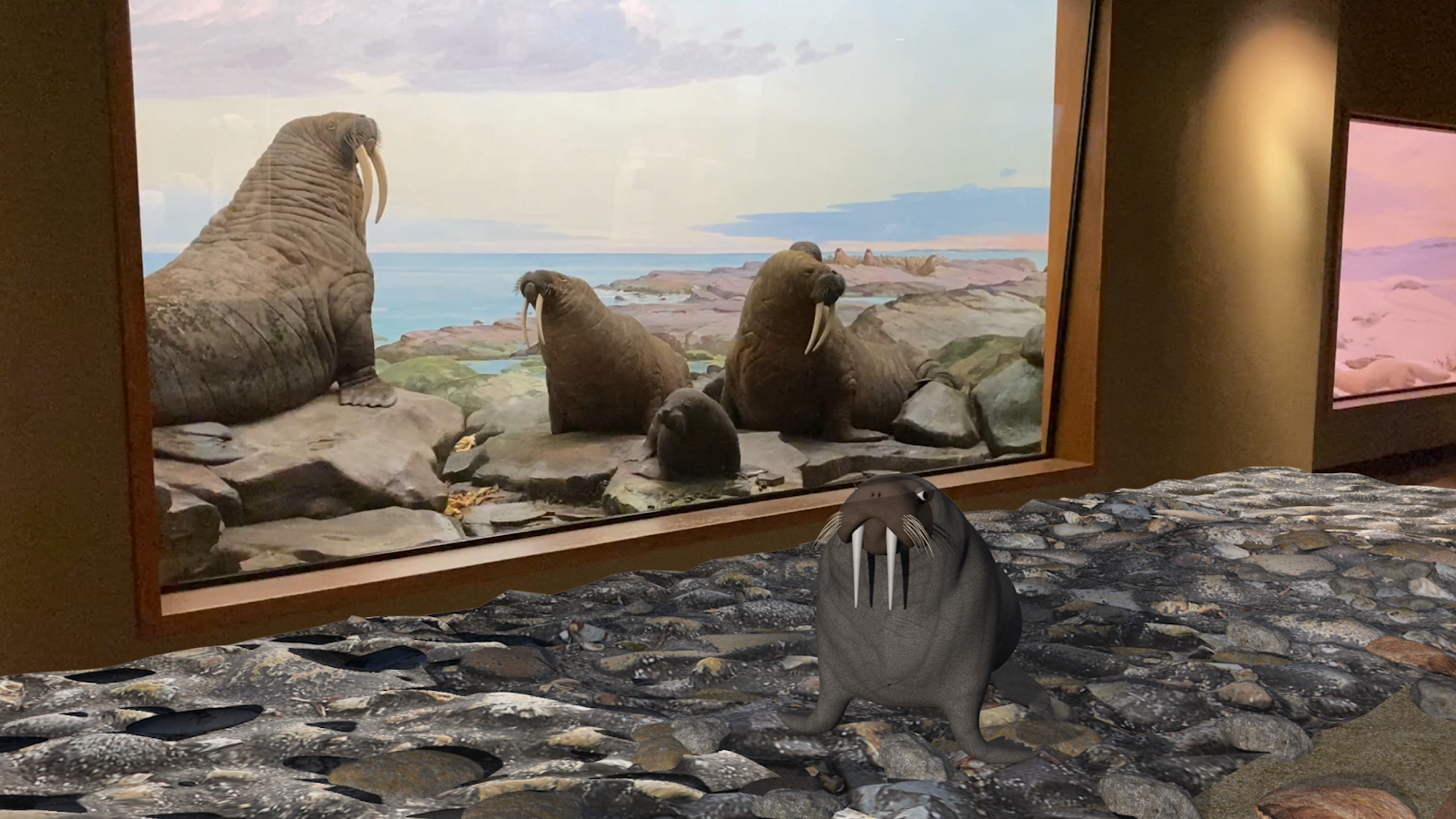
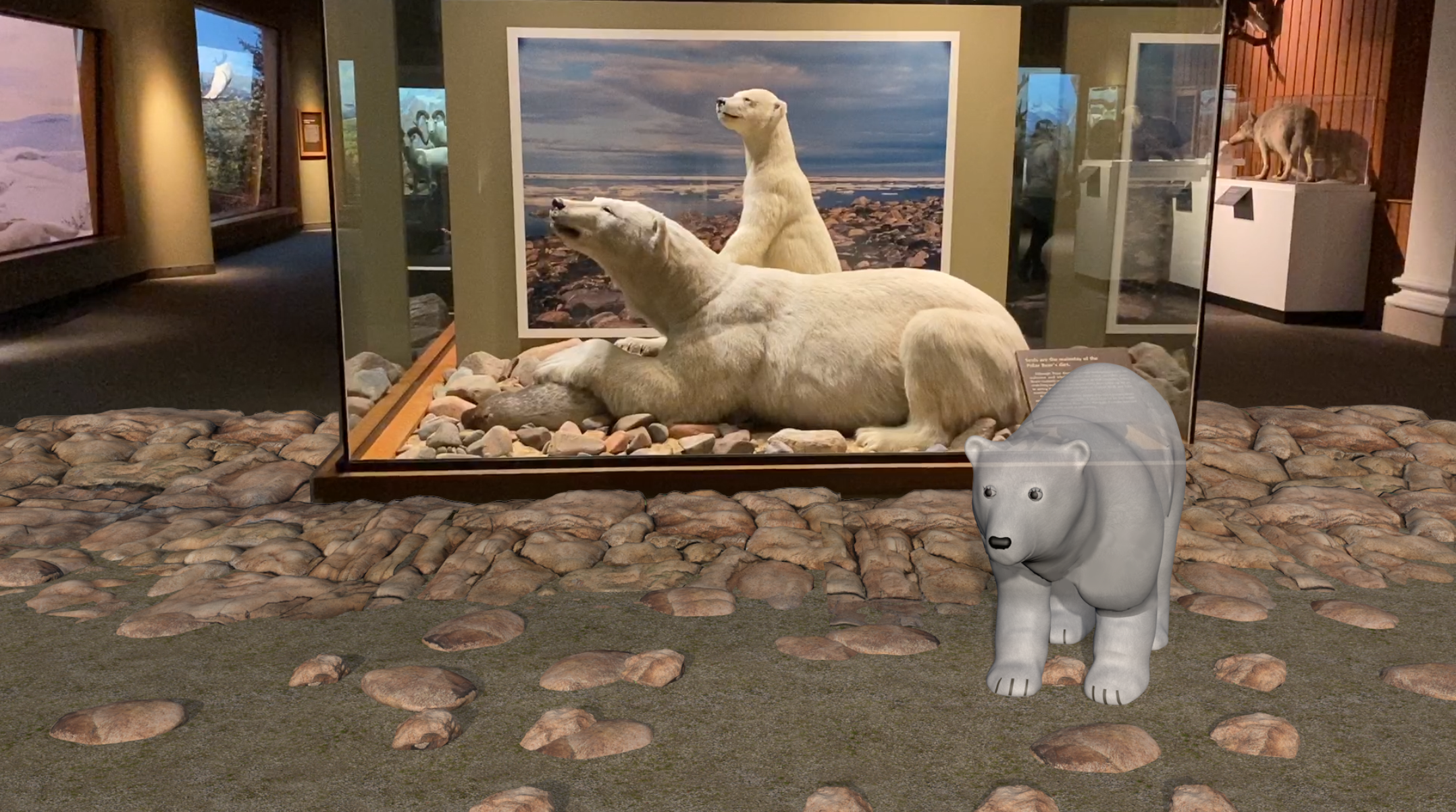
UI explorations
Branding
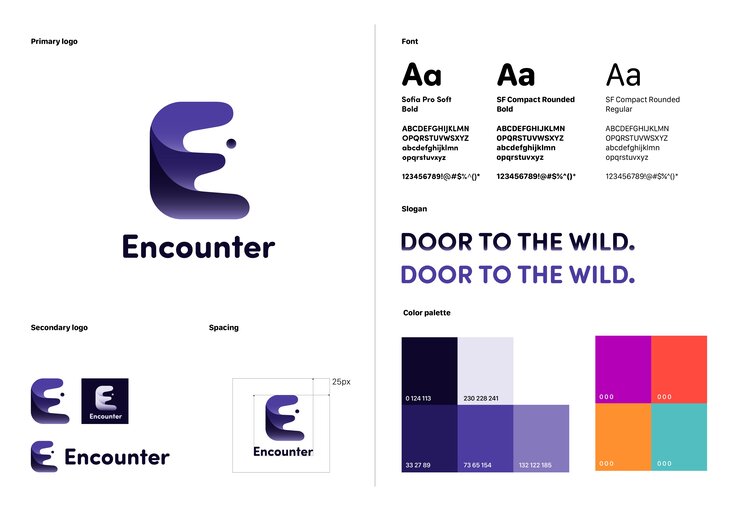
We named our experience Encounter, which means the visitors come across unexpected experiences in the museum. They encounter nature, animals, their habitats, a new dimension, and a new experience.
Imaginary animals
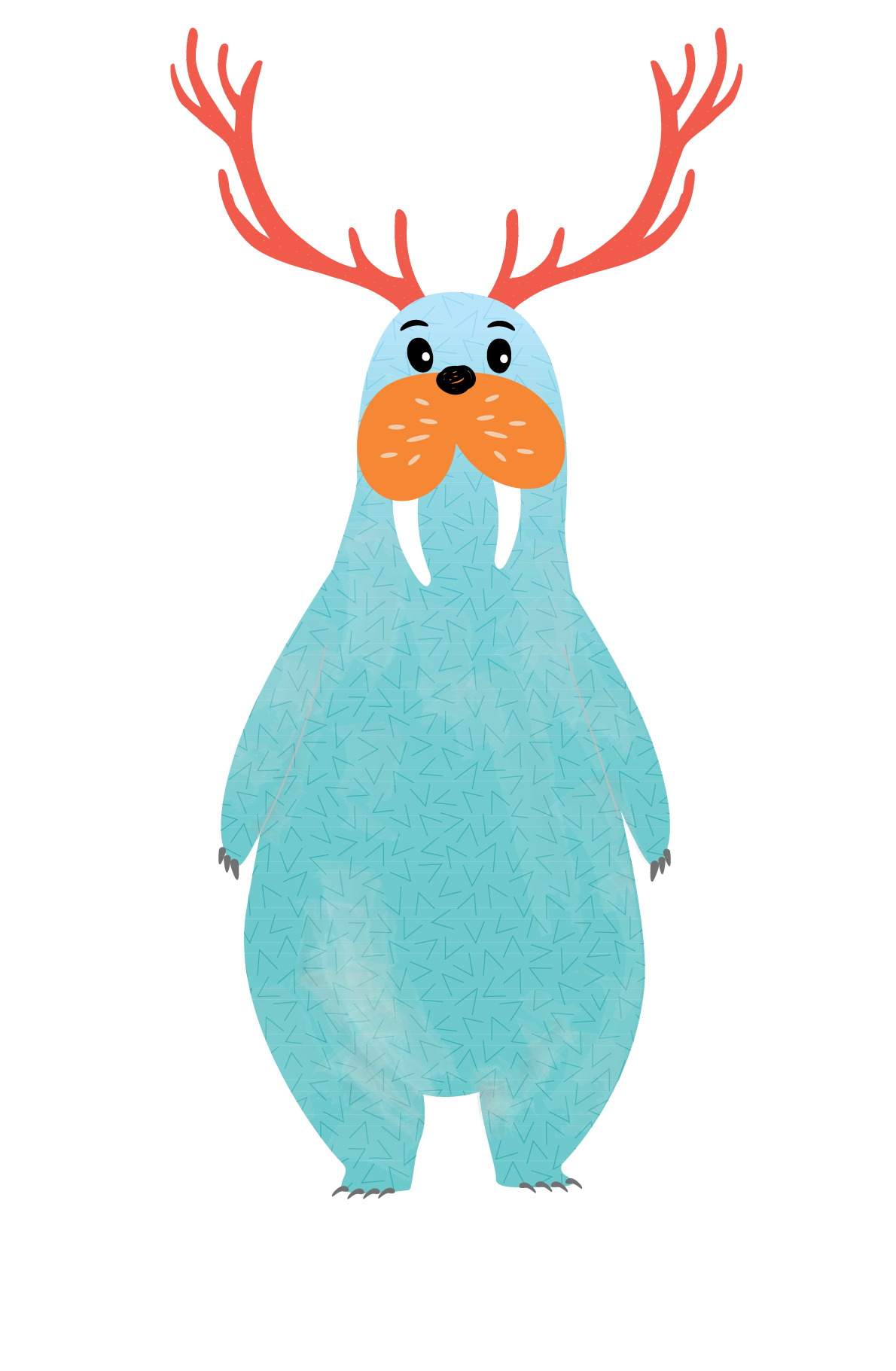
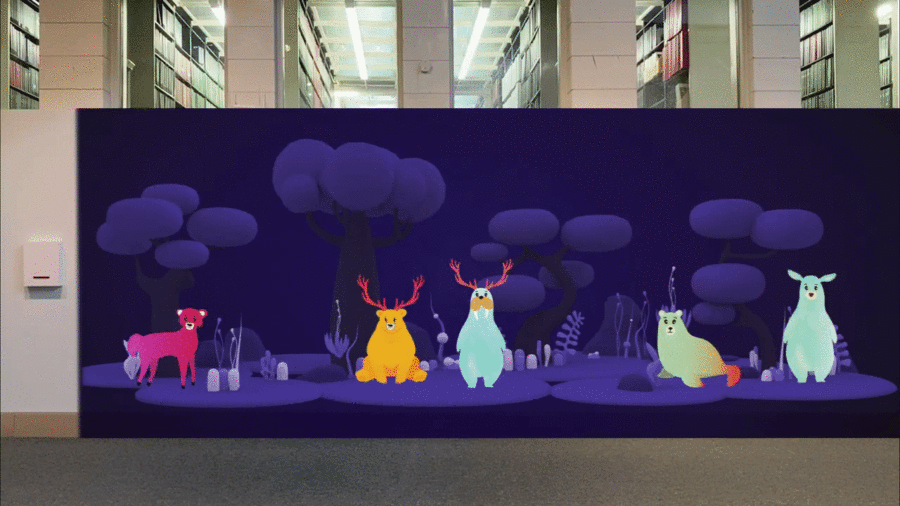
The interactive experience has features where visitors can create their own imaginary animals by combining unique features of the animals they learn about.
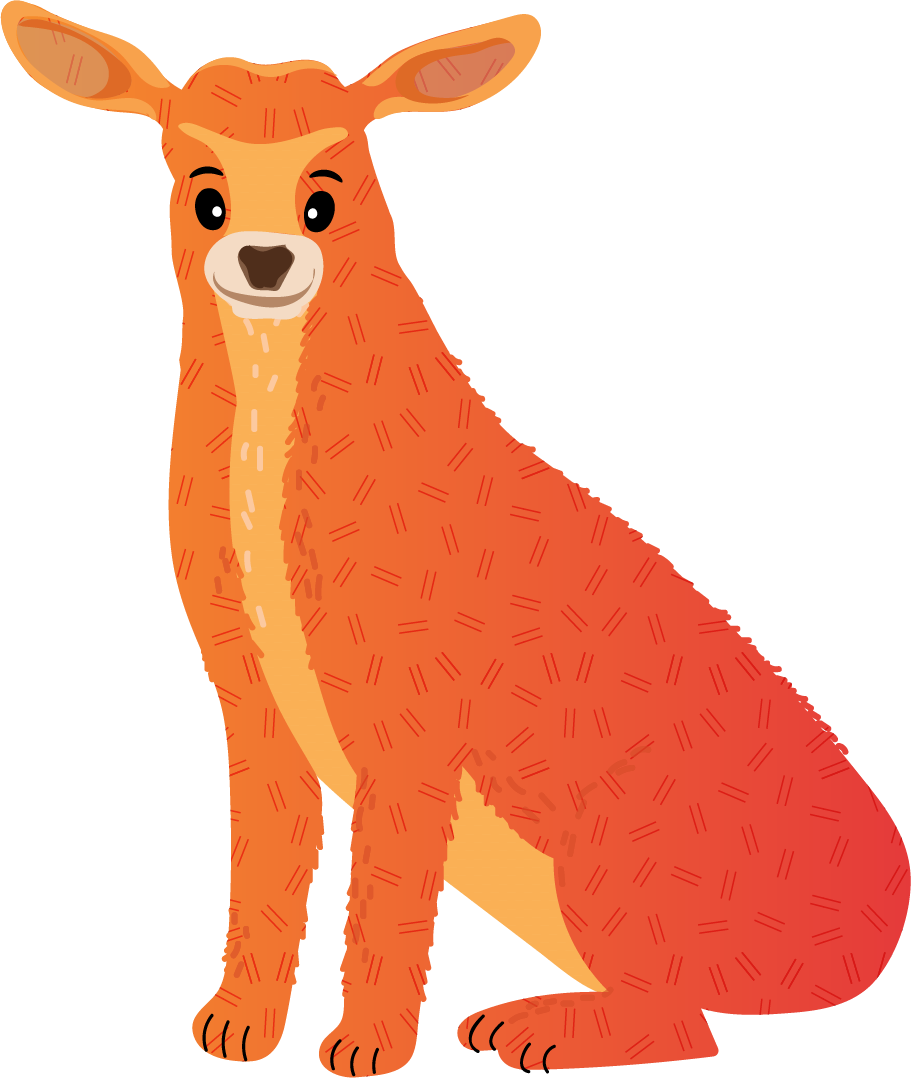
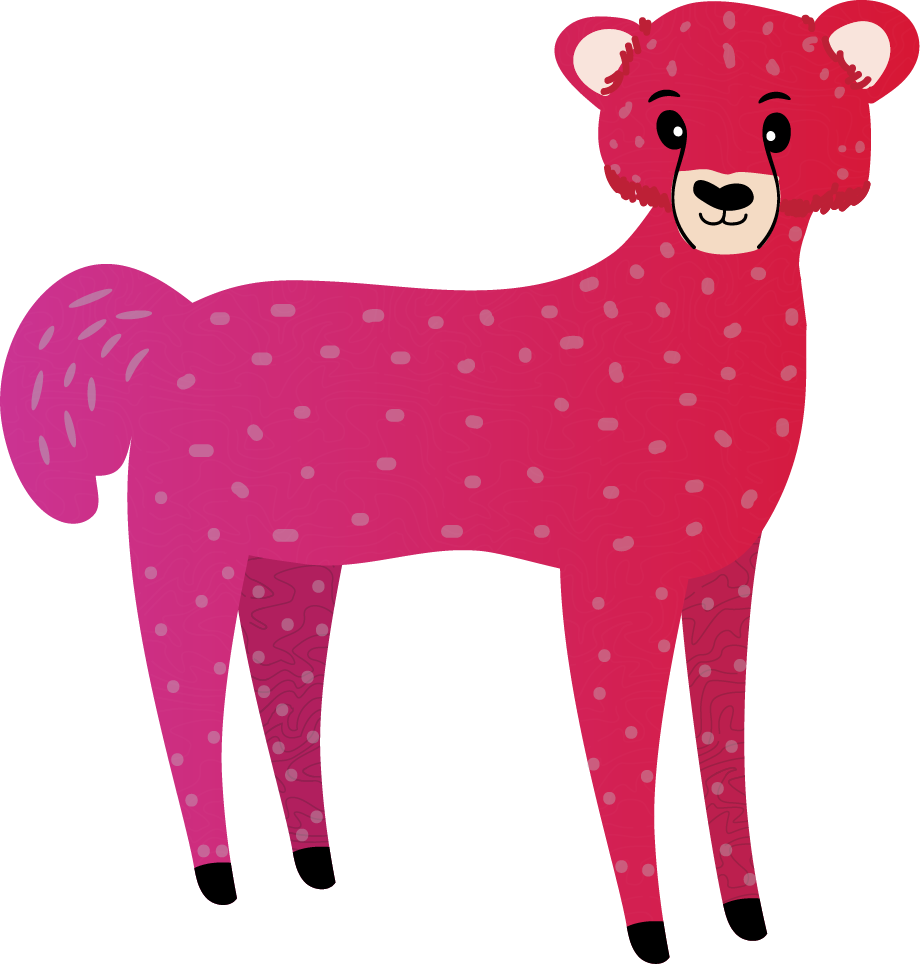
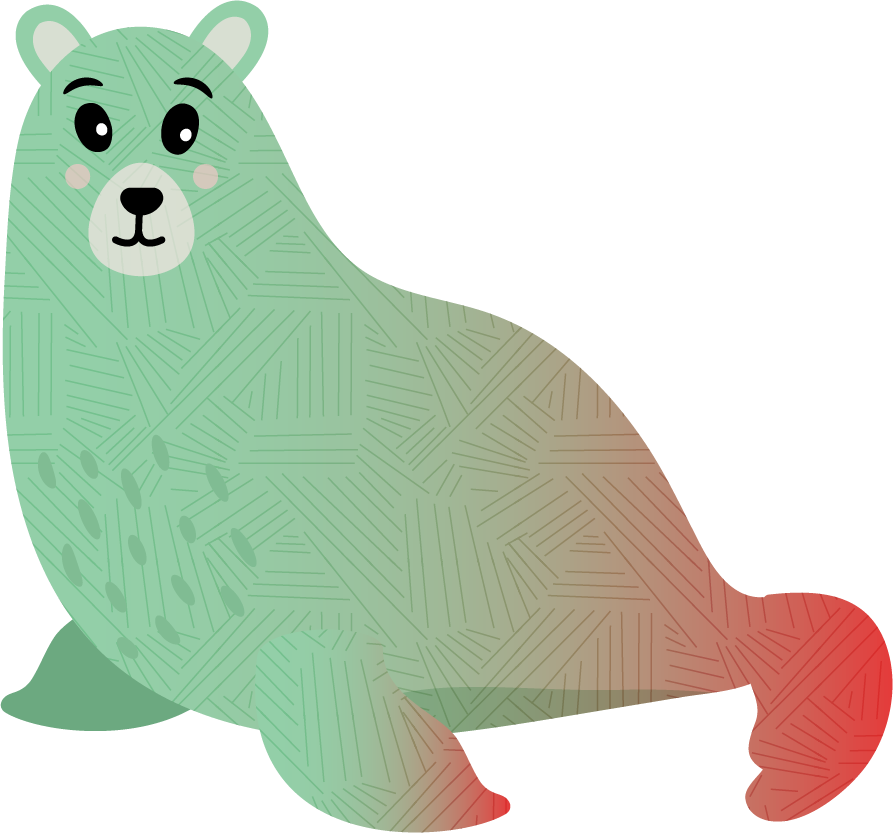
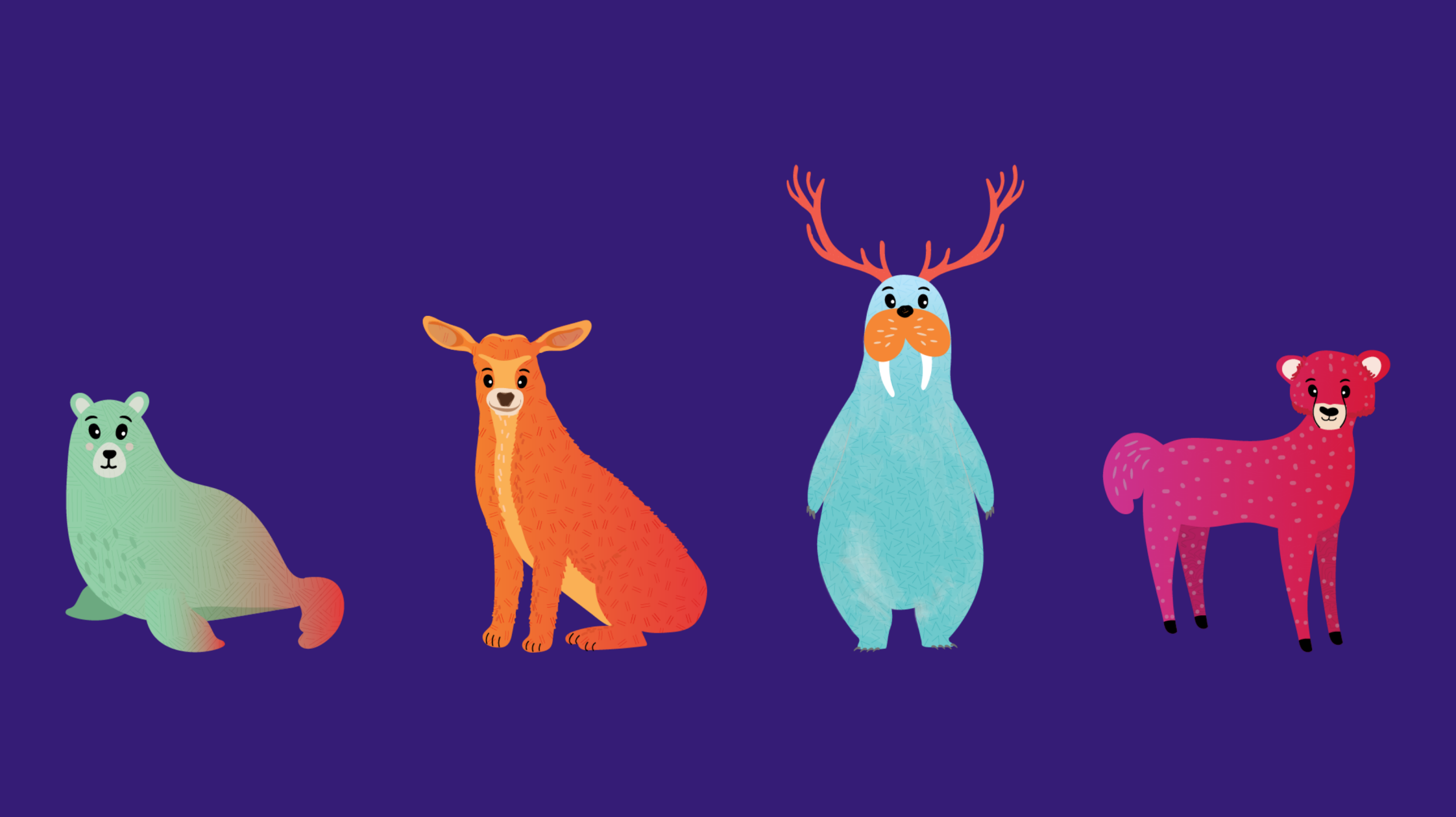
Projection wall
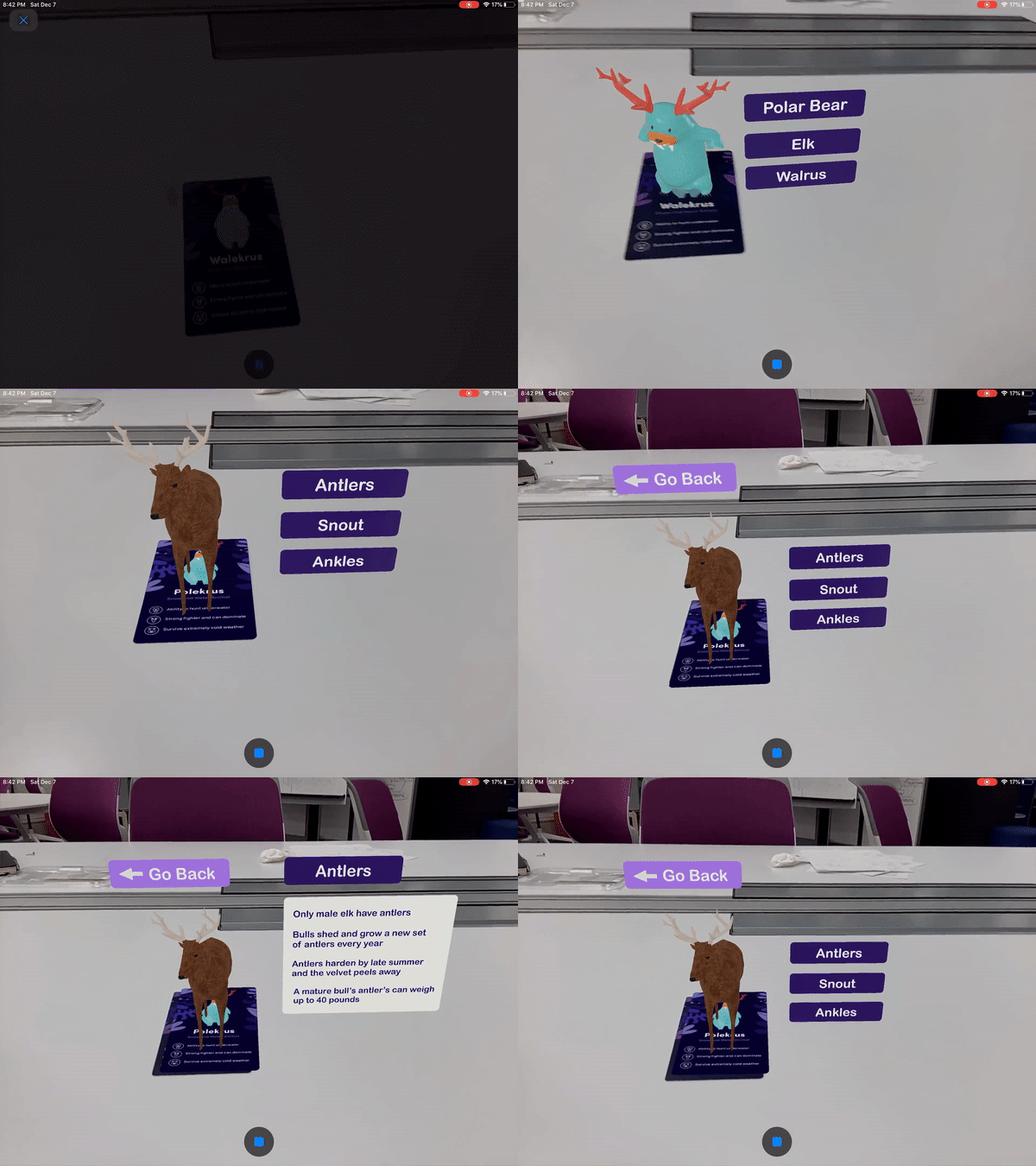
Creating the AR prototype
We experimented with Spark AR by Facebook to prototype the AR experience associated with the souvenir cards
Souvenir cards
LinkedIn | Resume | Email
Anuprita Ranade